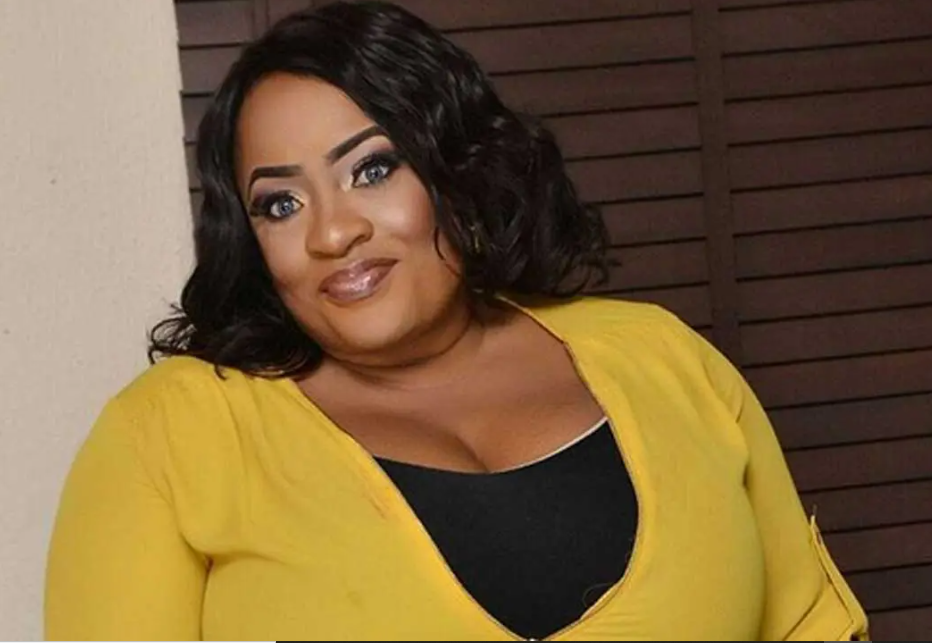


How Women Can Speak Up Against Abuse and Seek Help
While every survivor’s journey is unique, breaking the silence can be the beginning of healing, justice, and recovery.
Understanding Abuse Beyond Physical Violence
When many people hear the word abuse, they often think only of physical violence. However, abuse can take many forms, including emotional, psychological, financial, verbal, sexual, and digital abuse.
A person may be experiencing abuse if they are constantly intimidated, threatened, isolated, manipulated, humiliated, controlled, or harmed by another individual. In many cases, the signs are not visible to others, making it even more difficult for survivors to seek support.
Recognizing abusive behavior is often the first step toward reclaiming personal safety and dignity.
Why Many Women Remain Silent
One of the biggest challenges in addressing abuse is the culture of silence that surrounds it.
Many women remain silent because of:
- Fear of retaliation
- Financial dependence
- Social stigma
- Family pressure
- Fear of not being believed
- Concerns about children
- Emotional attachment to the abuser
- Lack of awareness about available support systems
Some survivors are repeatedly told to endure suffering for the sake of maintaining relationships, family reputation, or social acceptance. Unfortunately, such advice can place women at greater risk.
No individual should be forced to choose between personal safety and societal expectations.
Speaking Up Is an Act of Strength
How Women Can Seek Help Safely
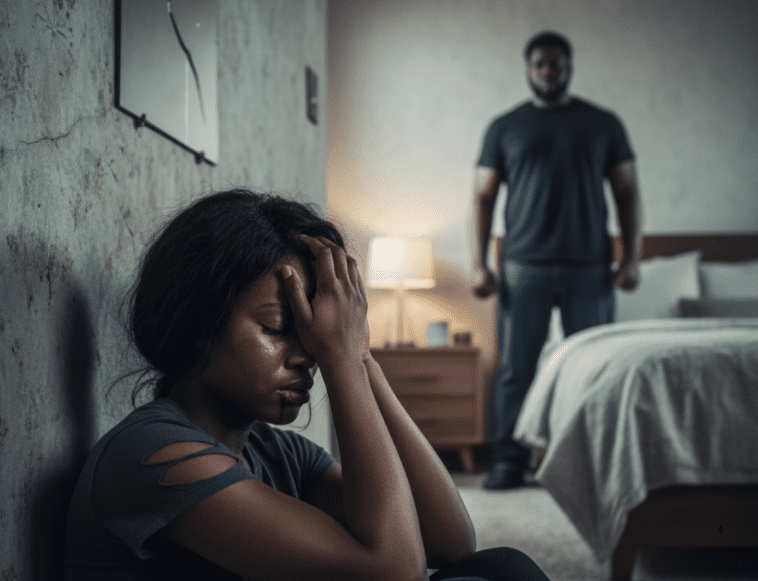
Seeking help may feel overwhelming, especially during difficult circumstances. However, there are practical steps women can take to improve their safety and access support.
Reach Out to Someone You Trust
Confiding in a trusted friend, family member, mentor, religious leader, or counselor can provide emotional support and guidance.
Survivors do not need to face abuse alone. Sometimes a single conversation can open the door to meaningful assistance.
Don’t Miss: Beyond Headlines: Foluke Daramola Highlights The Human Impact Of Insecurity In Nigeria
Document Incidents When Possible
Keeping records of abusive behavior may be useful when seeking professional support or legal intervention.
This may include:
- Written notes
- Text messages
- Emails
- Photographs
- Medical reports
Documentation can help establish patterns of behavior and strengthen reports where necessary.
Contact Support Organizations
Numerous organizations and advocacy groups work to support survivors of abuse through counseling, legal assistance, shelter services, and awareness programs.
Organizations focused on women’s rights and survivor protection can provide valuable information and resources tailored to individual situations.
Seek Professional Counseling
Abuse often leaves emotional wounds that may persist long after physical harm has ended.
Professional counselors and mental health specialists can help survivors process trauma, rebuild confidence, and develop coping strategies for recovery.
Healing is not a sign that the abuse never happened; it is evidence that a survivor is choosing to move forward.
The Role of Communities in Ending Abuse
Addressing abuse is not solely the responsibility of survivors.
Families, communities, institutions, religious organizations, schools, workplaces, and policymakers all have important roles to play in creating safer environments.
Communities can support survivors by:
- Listening without judgment
- Believing survivors
- Promoting awareness
- Reporting abuse when necessary
- Encouraging access to professional support
- Challenging harmful cultural norms
Creating a culture where women feel safe to speak up requires collective action and long-term commitment.
Empowering Women Through Awareness
It is through education that it has been proven that society can also play the biggest part in curbing the abuse of women.
Women know their rights and how to spot an abuse, when this awareness reaches women, they are less likely to suffer or allow their sisters, friends or even neighbours to be abused.
The programs of raising awareness, advocacy groups, community awareness and public enlightenment activities, still play and continue to play an enormous role for women in every section of the society.
And so advocates like Foluke Daramola will continue to use their celebrity and influence to generate discourse that tackles the culture of silence.
Conclusion


Related Posts
The Power of Using Fame for Social Change – Foluke Daramola
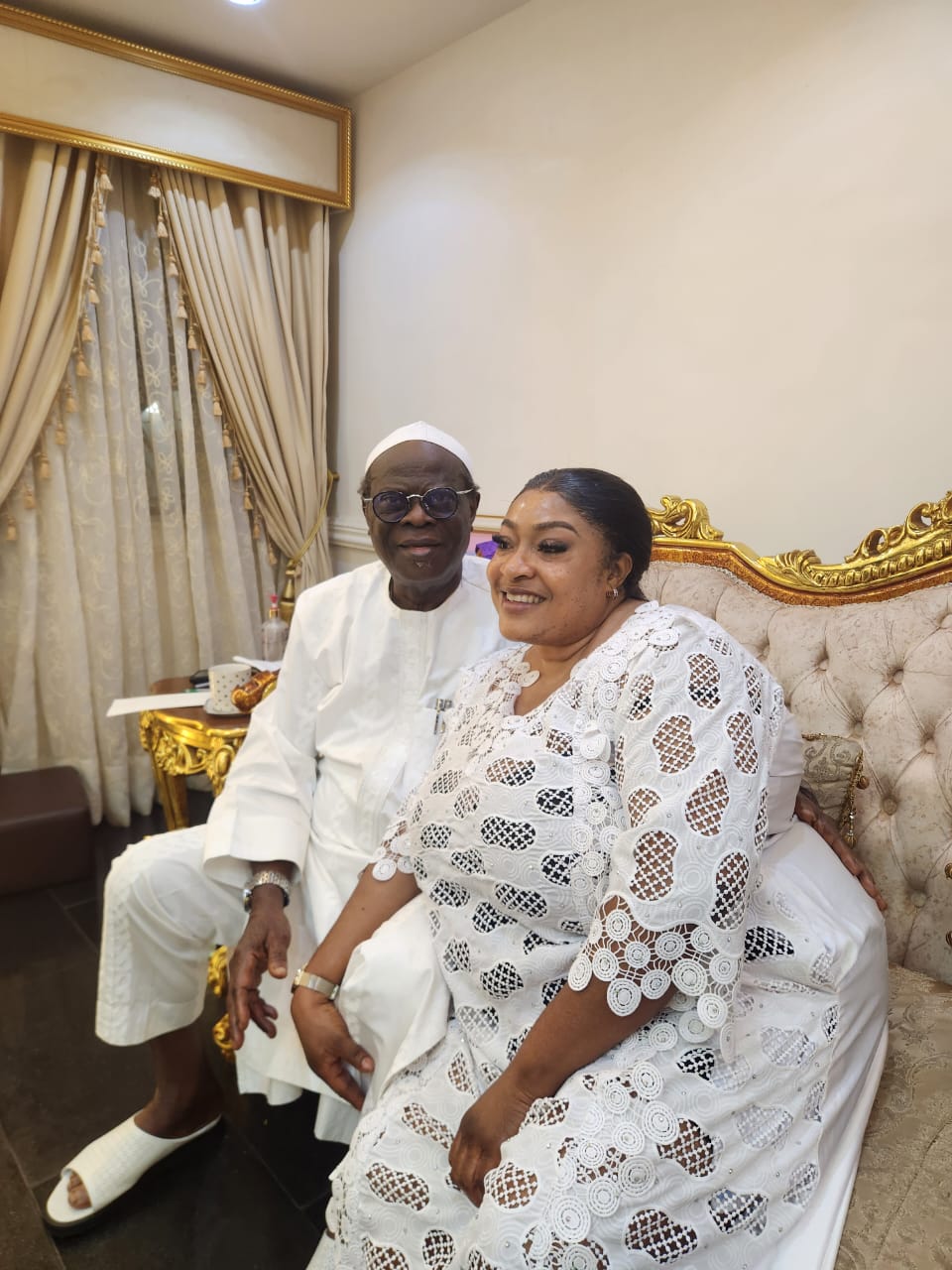
Hon. Foluke Daramola-Salako (J.P.) Visits Cardinal Odunmbaku Over Wife’s Death
Why Young Nigerians Must Participate in Politics | Foluke Daramola
5 Powerful Life Lessons I Learned From My Nollywood Journey
Foluke Daramola Mourns Alhaja Modinat: “So Shocking to Hear That She Is Gone”

History of Nollywood in Western Nigeria: Why Our Stories Must Never Be Forgotten
Foluke Daramola Celebrates Democracy Day and Calls for Unity in Nigeria
The Most Realistic Solution To Nigeria’s Age-Long And Persistent Problems
How to Identify and Support Abuse Victims in Nigeria: What Everyone Should Know
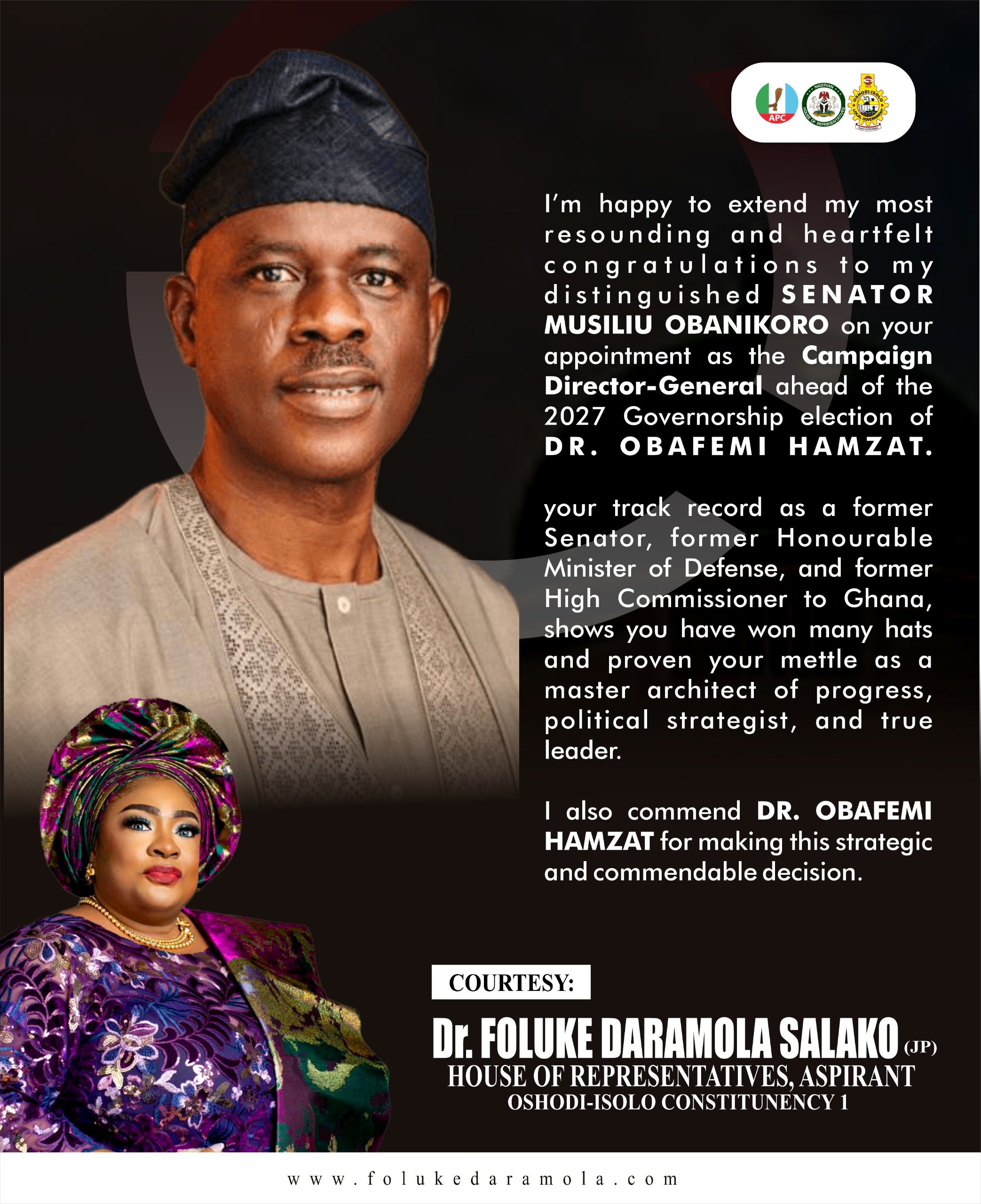
Lagos APC Guber Bid: Foluke Daramola-Salako Celebrates MO’s Emergence as Campaign DG

Oluwatobi Yeye-Irojah: The Filmmaker, Media Entrepreneur and Visionary Behind Phursuns World
Steadfast and Unwavering: Two Decades and Nine Years with Asiwaju
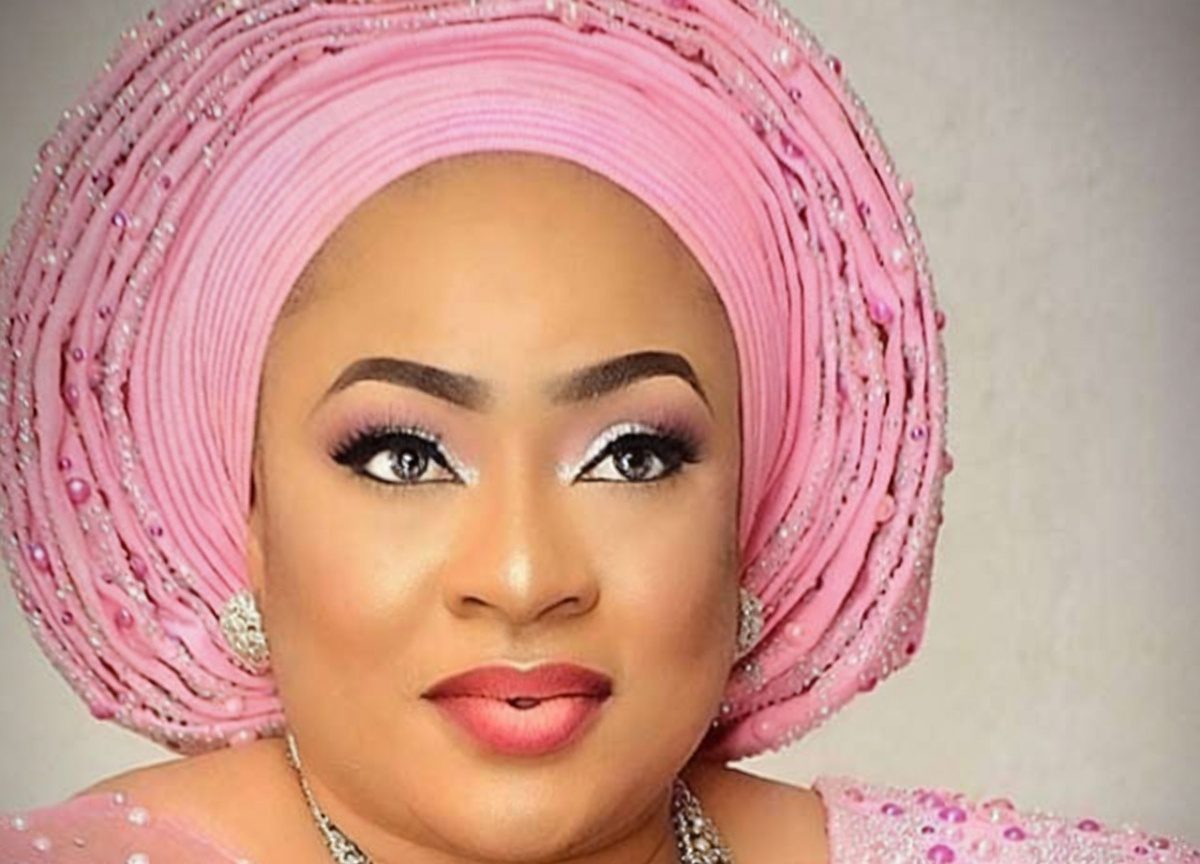
Beyond Headlines: Foluke Daramola Highlights The Human Impact Of Insecurity In Nigeria
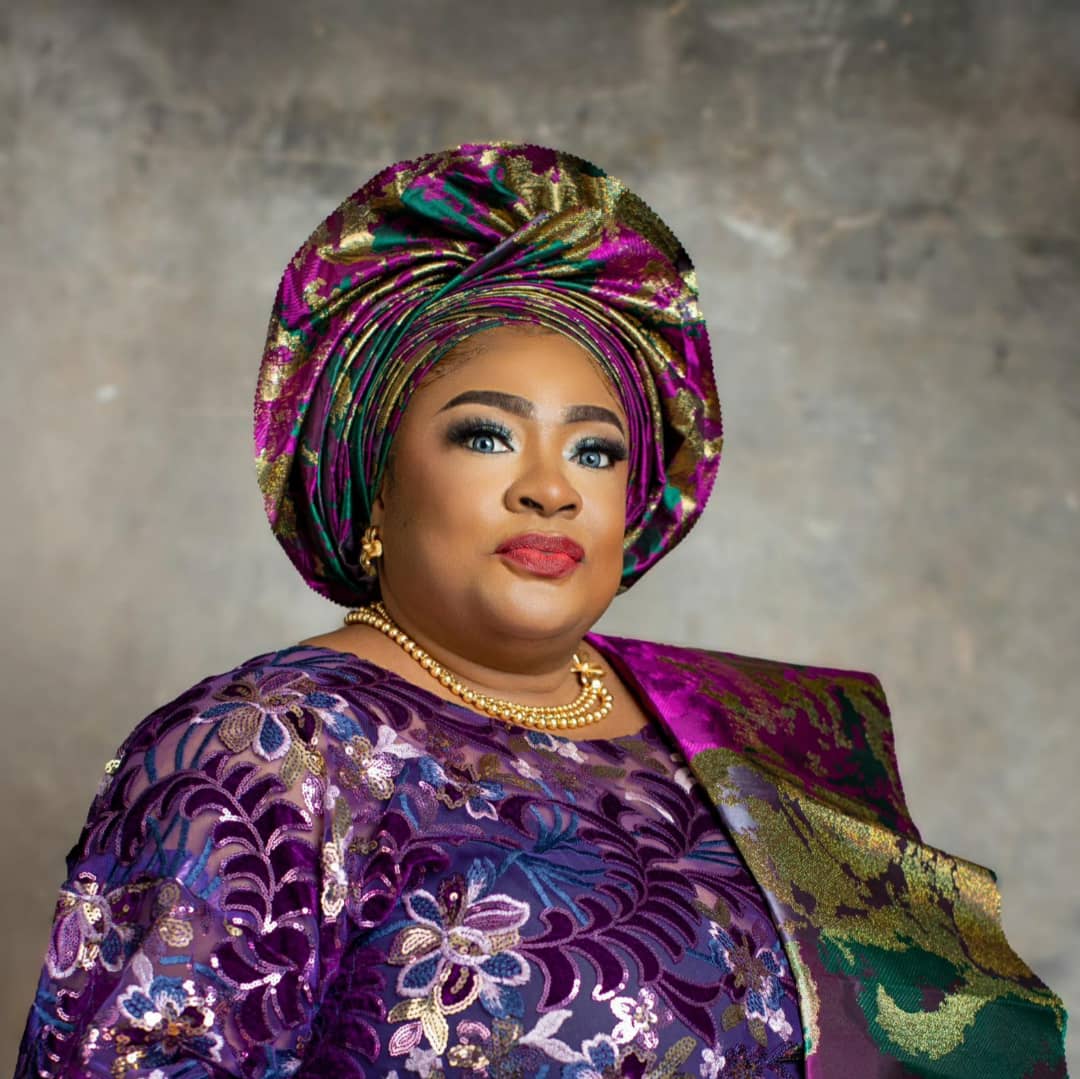
“IT WAS A MESSAGE OF APPRECIATION, NOT OF VICTORY DECLARATION, OR CELEBRATION

Who Is Hon. Olukayode Salako? A Look at His Life, Leadership and Public Service
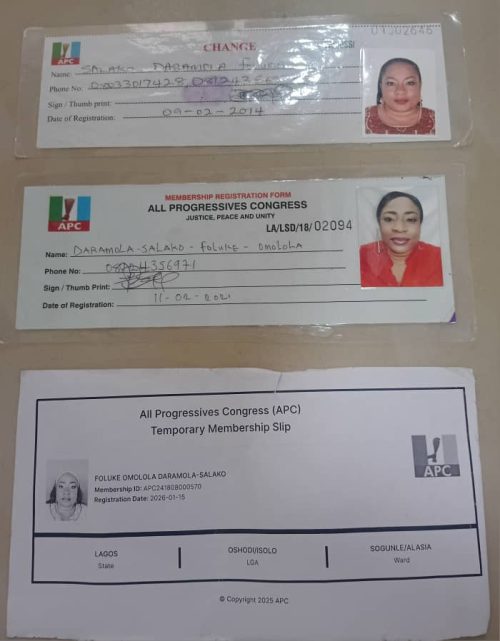
To Those Who Have Been Asking Whether Foluke Is From Oshodi? — Yes, Maritally and Politically!

HoR Primaries: Hon. Foluke Daramola-Salako Extends Appreciation to Sen. Remi Tinubu, National, State, and Oshodi-Isolo Party Leaders
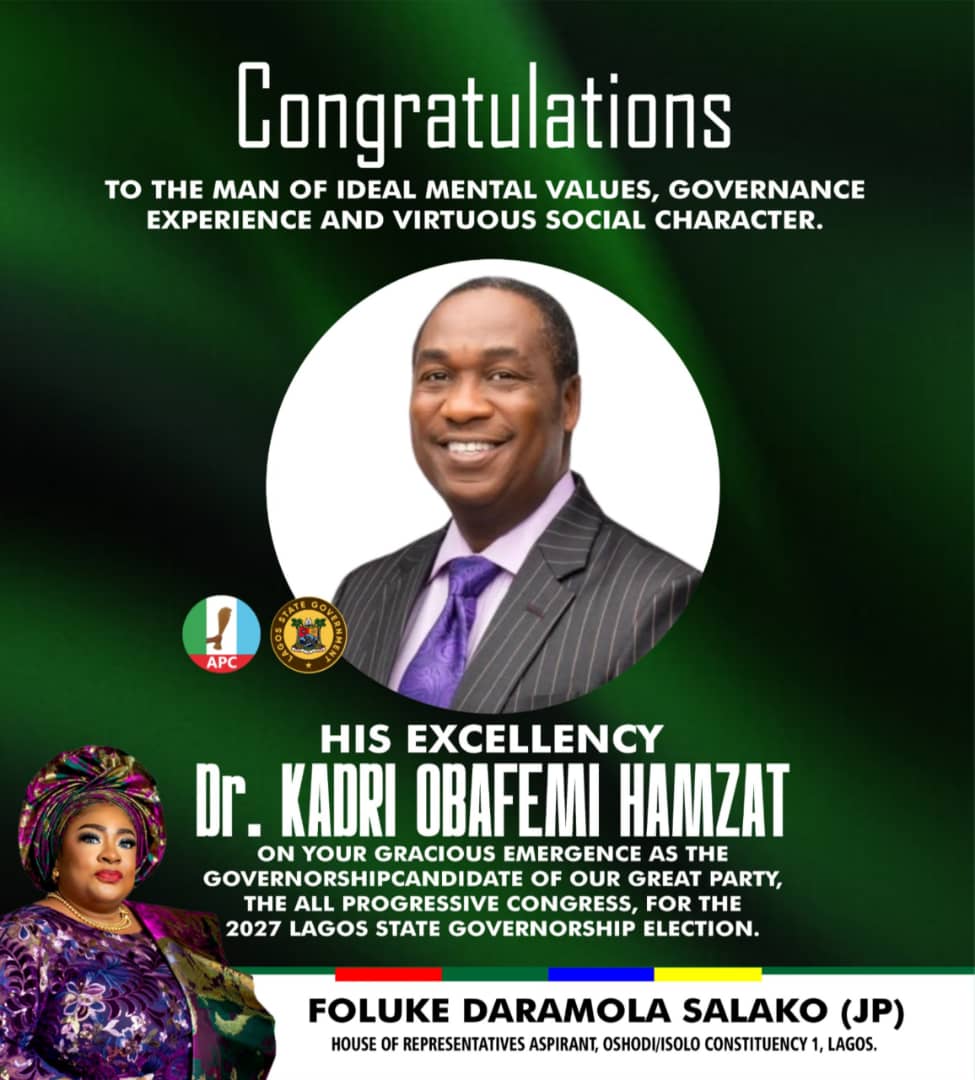
APC GOVERNORSHIP CANDIDATE: Foluke Daramola-Salako Congratulates Dr. Hamzat

Foluke Daramola-Salako Felicitates PBAT on His Emergence as APC Presidential Candidate for the 2027 Presidential Election
Clarification on Appreciation Message to First Lady, Party Leaders, Residents, and HoR Aspirants in Oshodi APC Primaries — Hon. Foluke Daramola-Salako

20 Things Many People Don’t Know About Foluke Daramola

Foluke Daramola Inspires Students at Ikeja High School Career Day

Beyond Nollywood — Why Major Blogs and Newspapers cannot stop Talking about Foluke Daramola in 2026
The Nigerian Woman and the Need for Greater Inclusion in Politics

How Foluke Daramola Is Using PARA Africa to Fight Abuse in Nigeria

FOLUKE DARAMOLA-SALAKO: A New Era of Competence and Action for Oshodi-Isolo Constituency 1
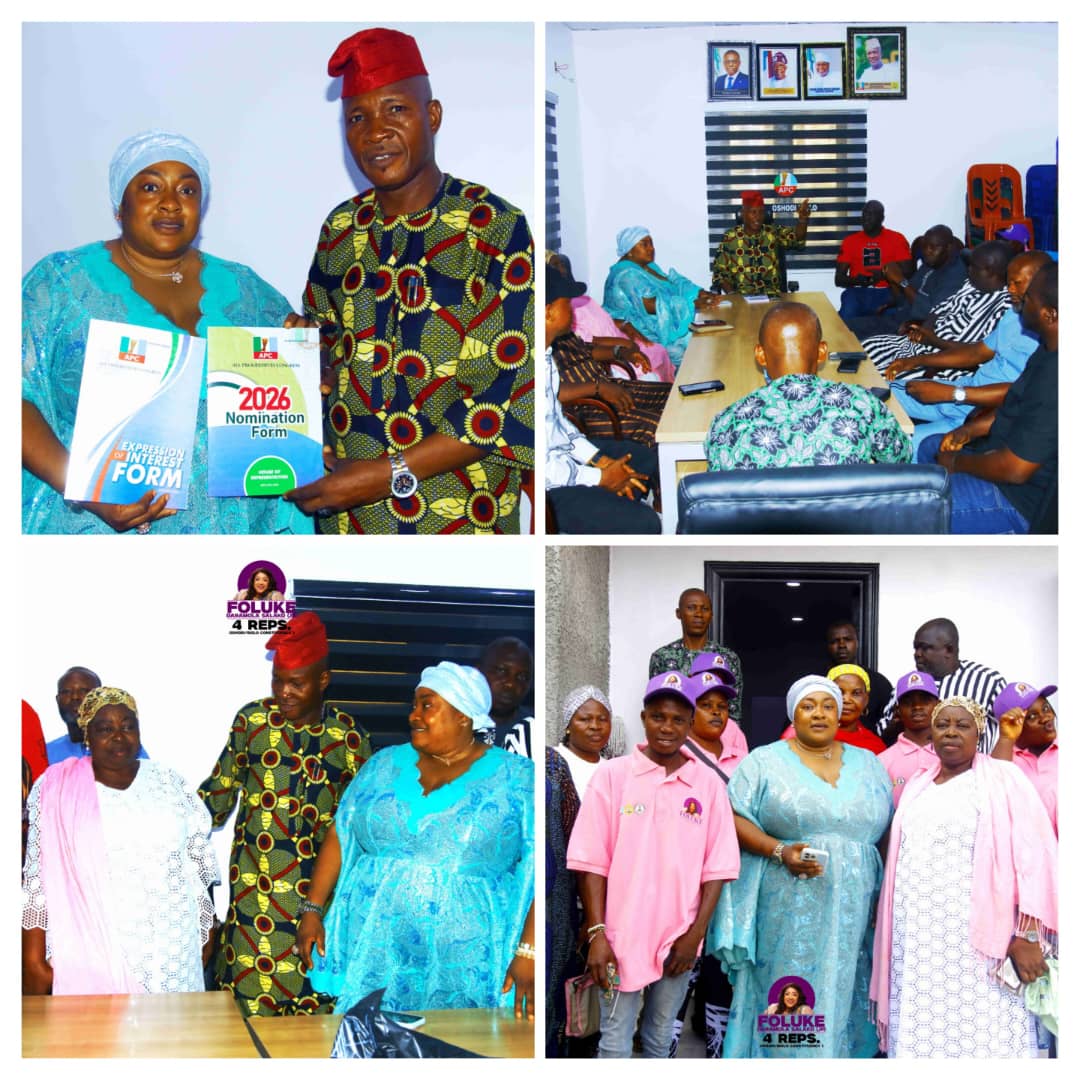
Daramola-Salako Presents Expression of Interest and Nomination Forms, Pledges Transformative Grassroots Development
Hon. Foluke Daramola-Salako Celebrates Nigerian Workers on Workers’ Day
Top 10 Foluke Daramola Movies That Shaped Her Career

7 Nollywood Actors Who Have Worked Closely with Foluke Daramola
Why Foluke Daramola Remains One of Nollywood’s Most Influential Voices in 2026
“Foluke Daramola Speaks: Why I Am Committed to Culture, Advocacy and Real Change”
Foluke Daramola’s Contributions to the Growth of Yoruba Nollywood
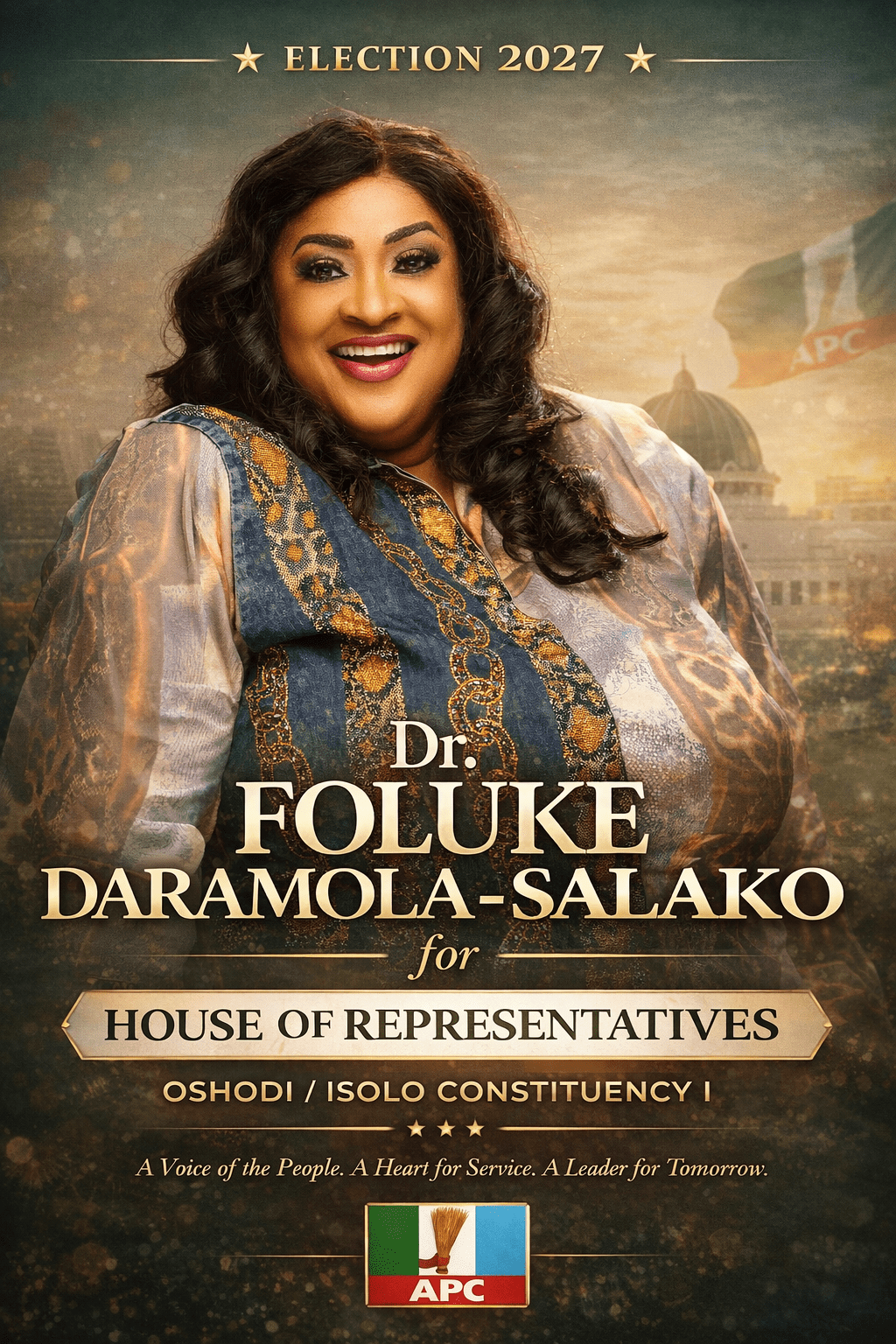
Dr. Foluke Daramola-Salako: A Voice of the People. A Heart for Service. A Leader for Tomorrow
The Socio-Political Citation of Dr. (Mrs) Foluke Daramola Salako (JP)
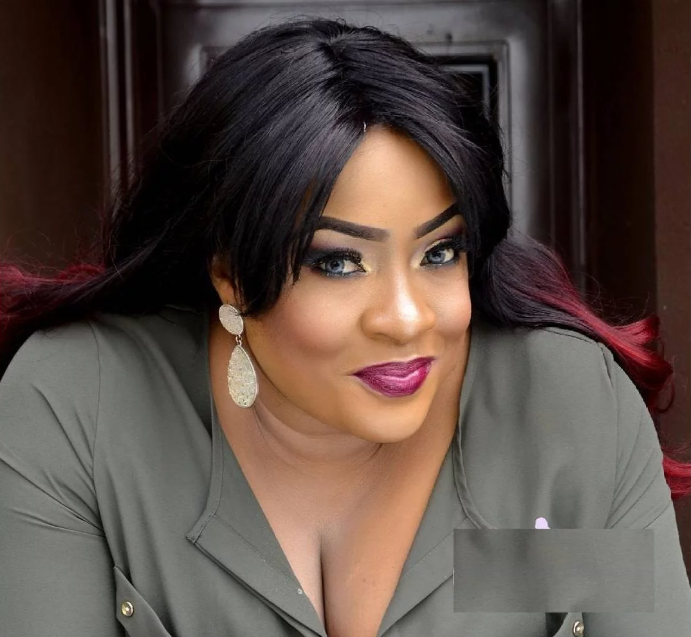
Foluke Daramola: A Complete Journey Through Her Life, Career, Impact, and Advocacy in Nollywood