
The Nigerian Woman and the Need for Greater Inclusion in Politics
The Nigeria woman and the necessary need for greater participation and inclusion in politics and political leadership.
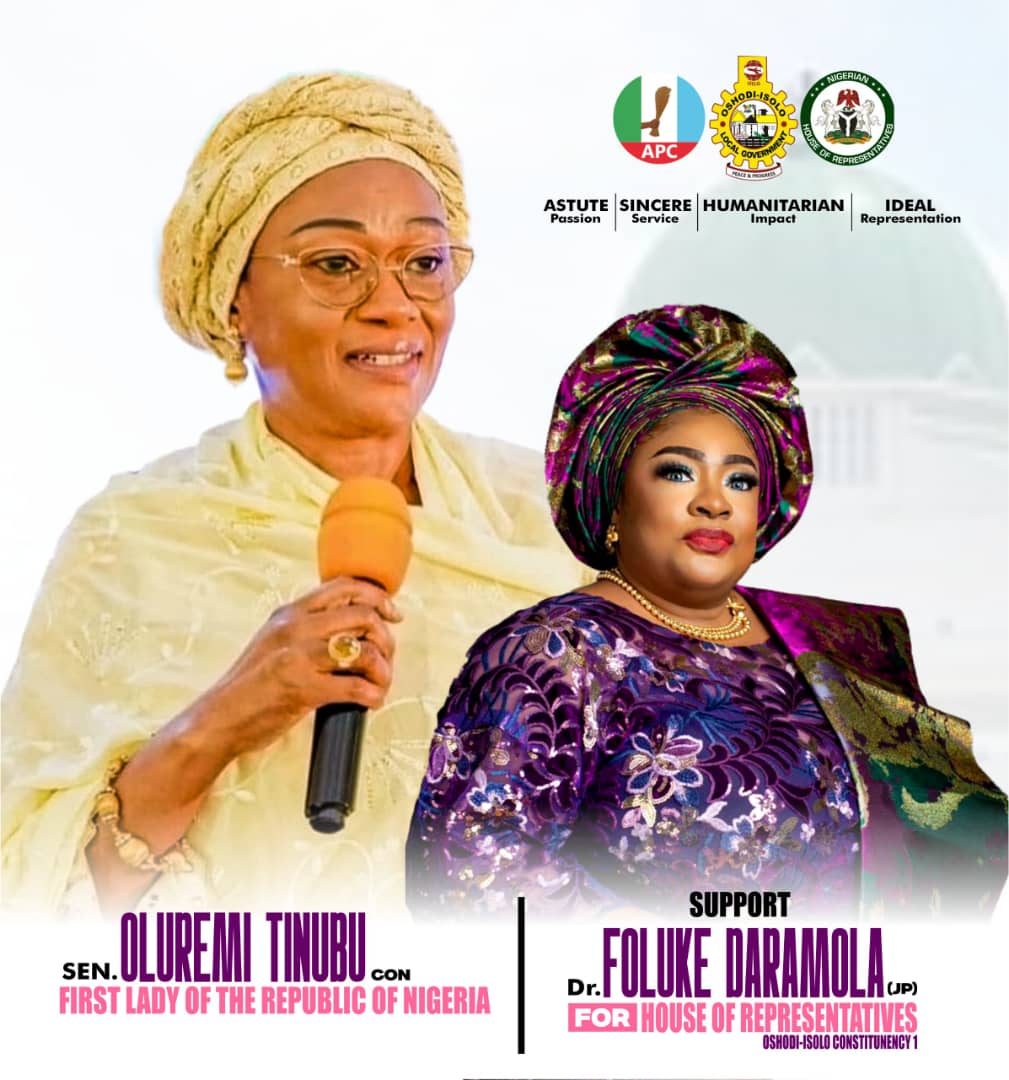
A Passionate Advocacy Project of Sen. Oluremi Tinubu.
By: Foluke Daramola-Salako,
House of Representatives Aspirant, Oshodi/Isolo Constituency I, 2027 National Assembly Election, Nigeria.
One of the most important realities in today’s Nigeria is that more women are beginning to see politics not as a space reserved exclusively for men, but as a platform where women can also lead, influence policy, represent communities, and contribute meaningfully to national development.
The advocacy and public engagement efforts of Sen. Oluremi Tinubu have contributed significantly to this gradual shift in mindset, especially through platforms such as the Renewed Hope Initiative and the New Era Foundation.
Why More Nigerian Women Are Entering Politics, Actively Participating, And Contesting Elections In Today’s Nigeria.
1. Growing Advocacy for Women Inclusion:
For many years, women in Nigeria faced structural, financial, and cultural barriers in politics.
Today, however, national conversations around inclusion, representation, and gender balance are becoming stronger and more visible.
Influential female leaders are openly encouraging women to:
Join political parties,
contest elections,
seek appointments,
build leadership capacity, and participate actively in governance at all levels.
2. Mentorship from Visible Female Leaders:
Women are often inspired, when they see other women occupying powerful offices successfully.
The political journey of Sen. Oluremi Tinubu — from legislator to First Lady of the Federal Republic of Nigeria has become a major reference point for many aspiring female politicians, especially within the All Progressives Congress (APC).
Her consistent message that women should support, mentor, and uplift one another has resonated strongly among younger female aspirants across the country.
3. Economic Empowerment Creates Political Confidence:
Many women previously stayed away from politics, because of economic limitations.
Programmes involving;
Grants, vocational support, entrepreneurship funding, market support, agricultural assistance, and leadership training have helped many women become more financially independent, and socially confident enough to participate in public life and political engagement.
4. Increased Awareness About Representation:
Many Nigerians now believe that women bring;
Compassionate and people-oriented leadership, community-focused governance,
social welfare sensitivity,
strong grassroots mobilization capacity, and consensus-building abilities into public service.
This growing belief is helping more female aspirants gain wider public acceptance and political relevance.
Don’t Miss: How Foluke Daramola Is Using PARA Africa to Fight Abuse in Nigeria
5. The Rise of Female Political Networks across the nation:
Women across party lines are increasingly building support systems, advocacy groups, campaign structures, and mentorship circles to help one another succeed politically.
This growing cooperation is gradually reducing the isolation many women previously experienced in politics.
Key Areas Of Women Inclusion Advocacy.
Political Participation
Encouraging women to:
Run for elective offices, attend party meetings, seek leadership positions, and participate actively in democratic processes.
Economic Empowerment
Providing support through:
Grants, business funding, agricultural support, entrepreneurial development,
and vocational empowerment programmes.
Mentorship and Leadership Development
Helping younger women build:
Confidence, communication skills, leadership capacity, and public engagement competence.
Social Inclusion
Supporting:
Widows, rural women,
women with disabilities,
vulnerable families,
and underserved communities.
The Bigger National Impact
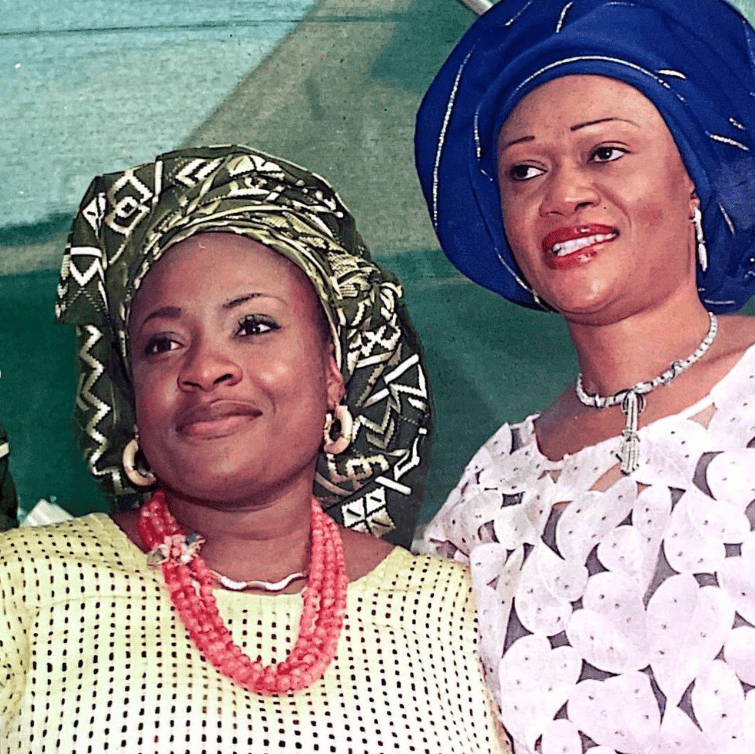
Nigeria still has one of the lowest percentages of female representation in elective offices, compared to several African countries.
Because of this, advocacy efforts, championed by leaders such as Sen. Oluremi Tinubu are increasingly seen as part of a broader national movement, aimed at normalizing stronger female participation in governance and political leadership.
More women entering politics today means:
Broader representation, more inclusive policymaking, stronger grassroots engagement, greater democratic participation, and a more balanced national development process.
The inclusion of women in politics is no longer merely a gender conversation; it is now a national development necessity.
And that is the reason more and more women are now out there on the field, consulting, negotiating and working on more stakeholdership opportunities increased their involvement and participation could achieve for them nationally within the politicking arena.
Published by the FDS Media & Publicity Directorate Office.
Read More: FOLUKE DARAMOLA-SALAKO: A New Era of Competence and Action for Oshodi-Isolo Constituency 1


Related Posts
The Power of Using Fame for Social Change – Foluke Daramola
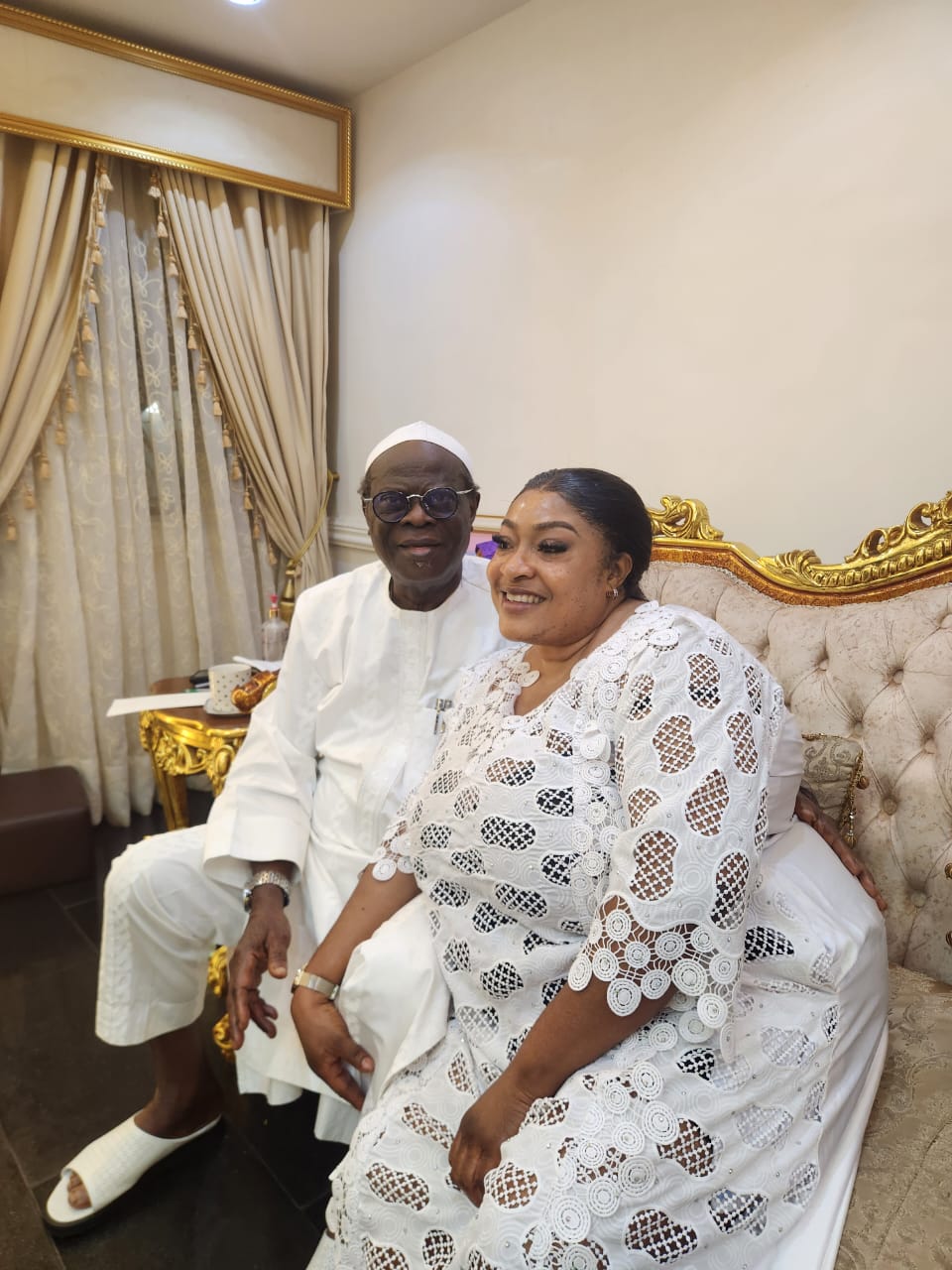
Hon. Foluke Daramola-Salako (J.P.) Visits Cardinal Odunmbaku Over Wife’s Death
Why Young Nigerians Must Participate in Politics | Foluke Daramola
5 Powerful Life Lessons I Learned From My Nollywood Journey
Foluke Daramola Mourns Alhaja Modinat: “So Shocking to Hear That She Is Gone”

History of Nollywood in Western Nigeria: Why Our Stories Must Never Be Forgotten

How Women Can Speak Up Against Abuse and Seek Help
Foluke Daramola Celebrates Democracy Day and Calls for Unity in Nigeria
The Most Realistic Solution To Nigeria’s Age-Long And Persistent Problems
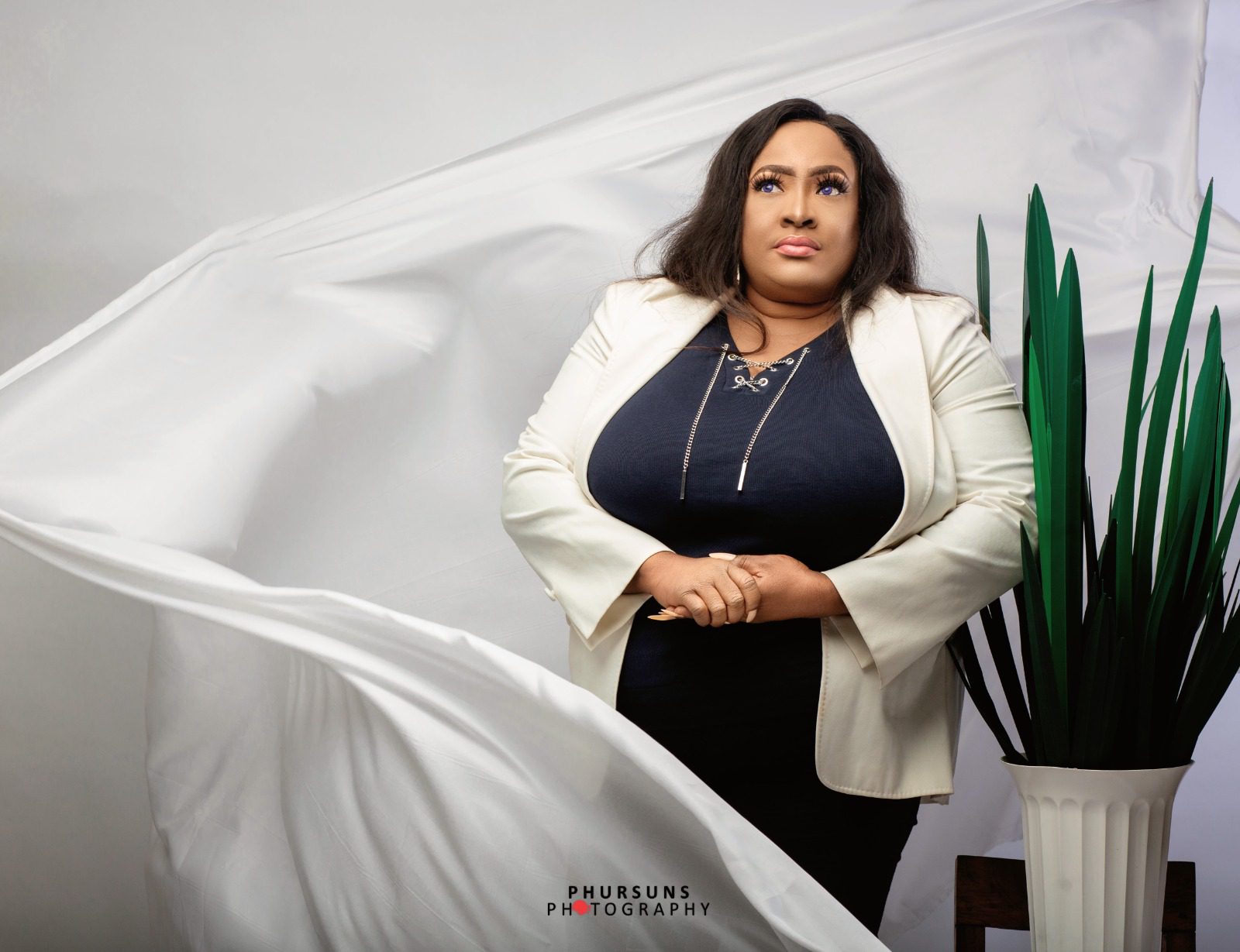
How to Identify and Support Abuse Victims in Nigeria: What Everyone Should Know
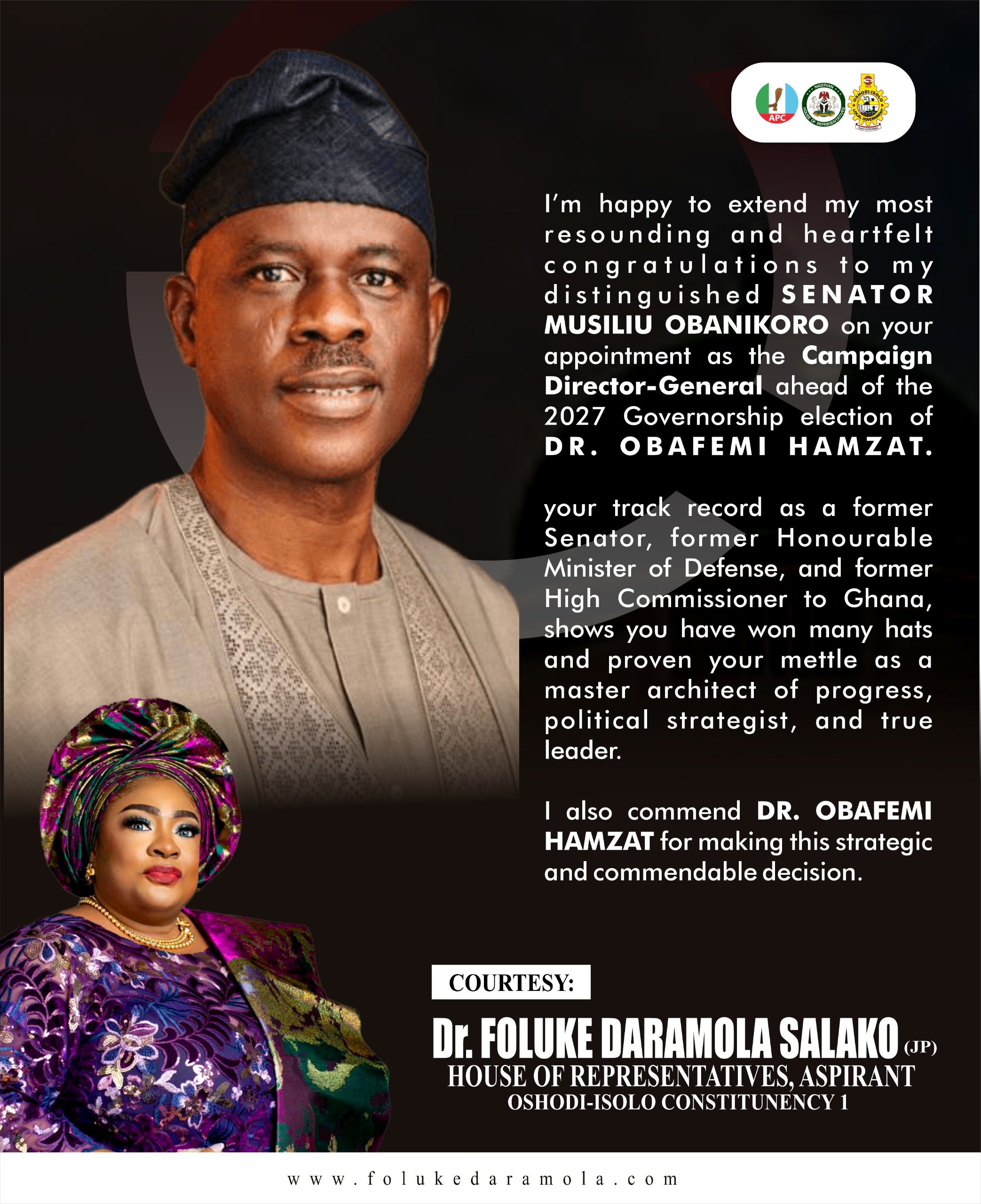
Lagos APC Guber Bid: Foluke Daramola-Salako Celebrates MO’s Emergence as Campaign DG

Oluwatobi Yeye-Irojah: The Filmmaker, Media Entrepreneur and Visionary Behind Phursuns World
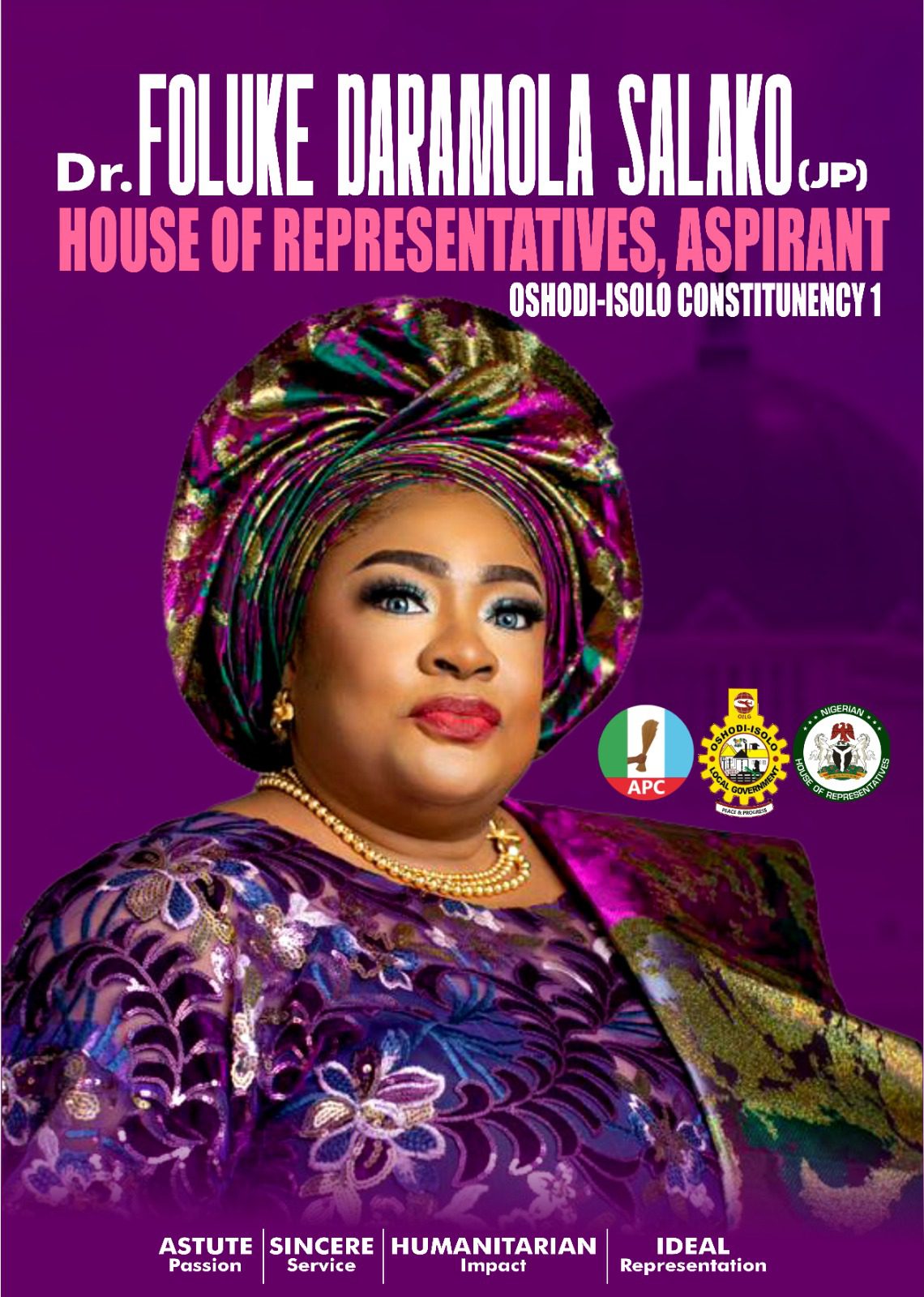
Steadfast and Unwavering: Two Decades and Nine Years with Asiwaju
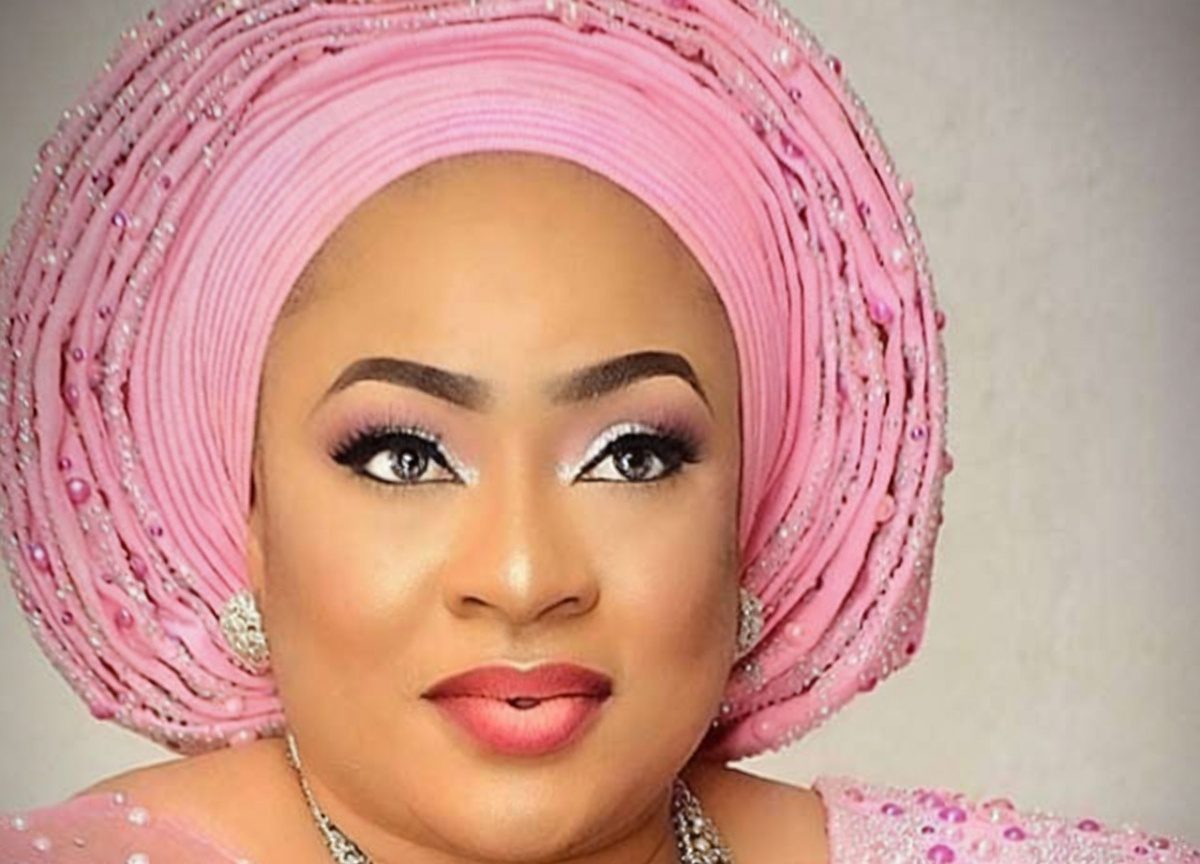
Beyond Headlines: Foluke Daramola Highlights The Human Impact Of Insecurity In Nigeria
“IT WAS A MESSAGE OF APPRECIATION, NOT OF VICTORY DECLARATION, OR CELEBRATION

Who Is Hon. Olukayode Salako? A Look at His Life, Leadership and Public Service
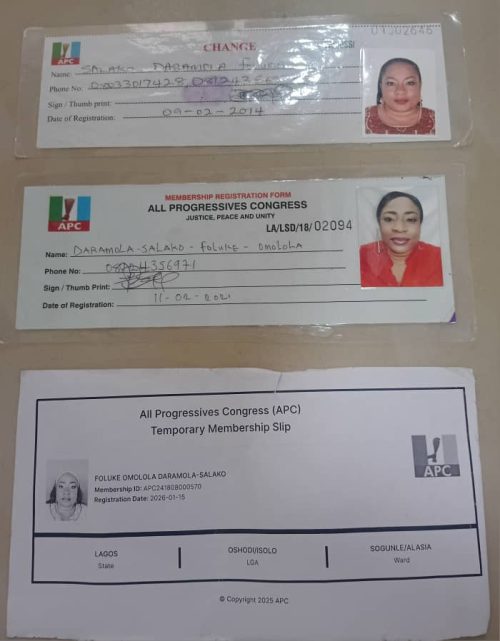
To Those Who Have Been Asking Whether Foluke Is From Oshodi? — Yes, Maritally and Politically!

HoR Primaries: Hon. Foluke Daramola-Salako Extends Appreciation to Sen. Remi Tinubu, National, State, and Oshodi-Isolo Party Leaders
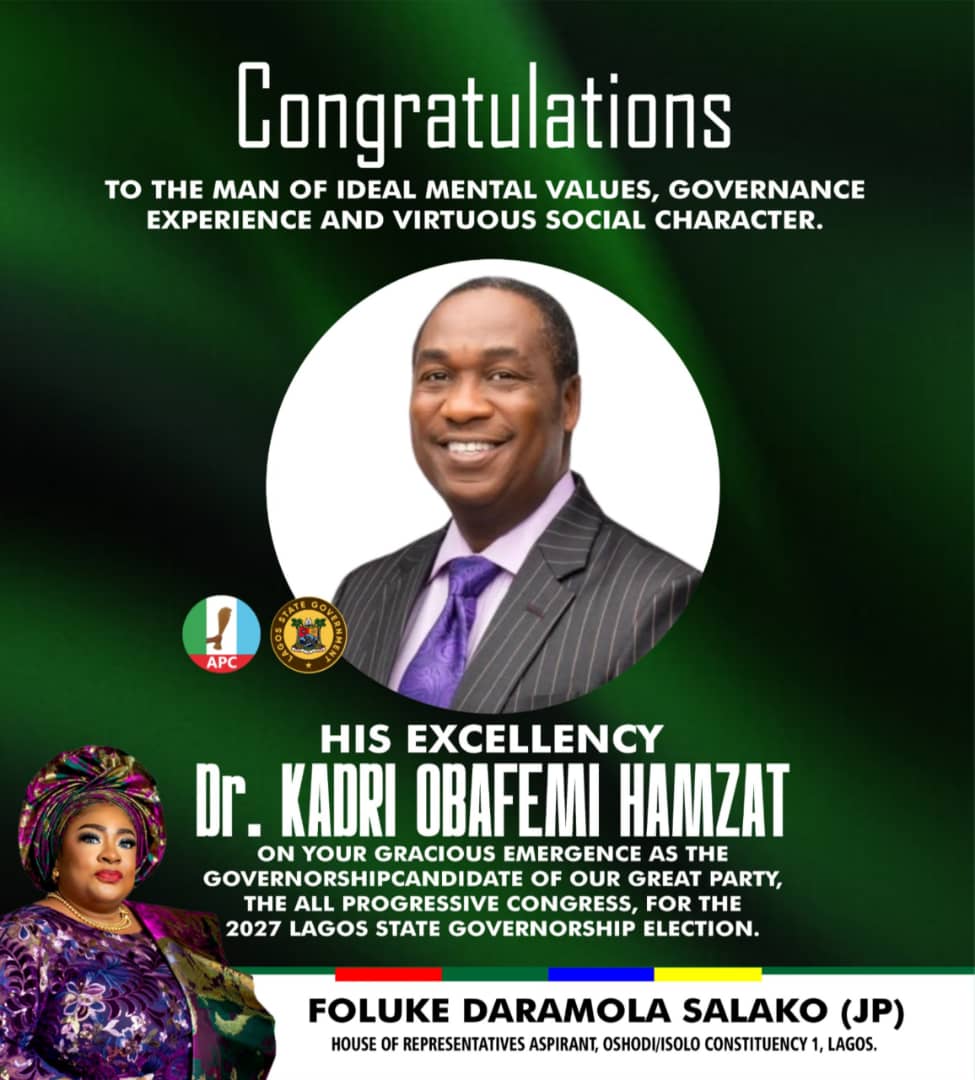
APC GOVERNORSHIP CANDIDATE: Foluke Daramola-Salako Congratulates Dr. Hamzat
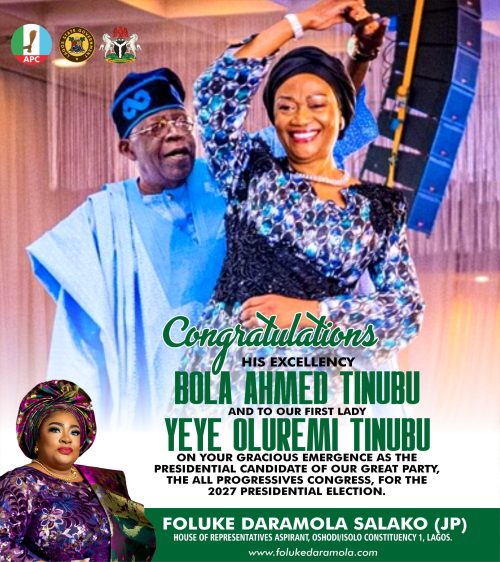
Foluke Daramola-Salako Felicitates PBAT on His Emergence as APC Presidential Candidate for the 2027 Presidential Election
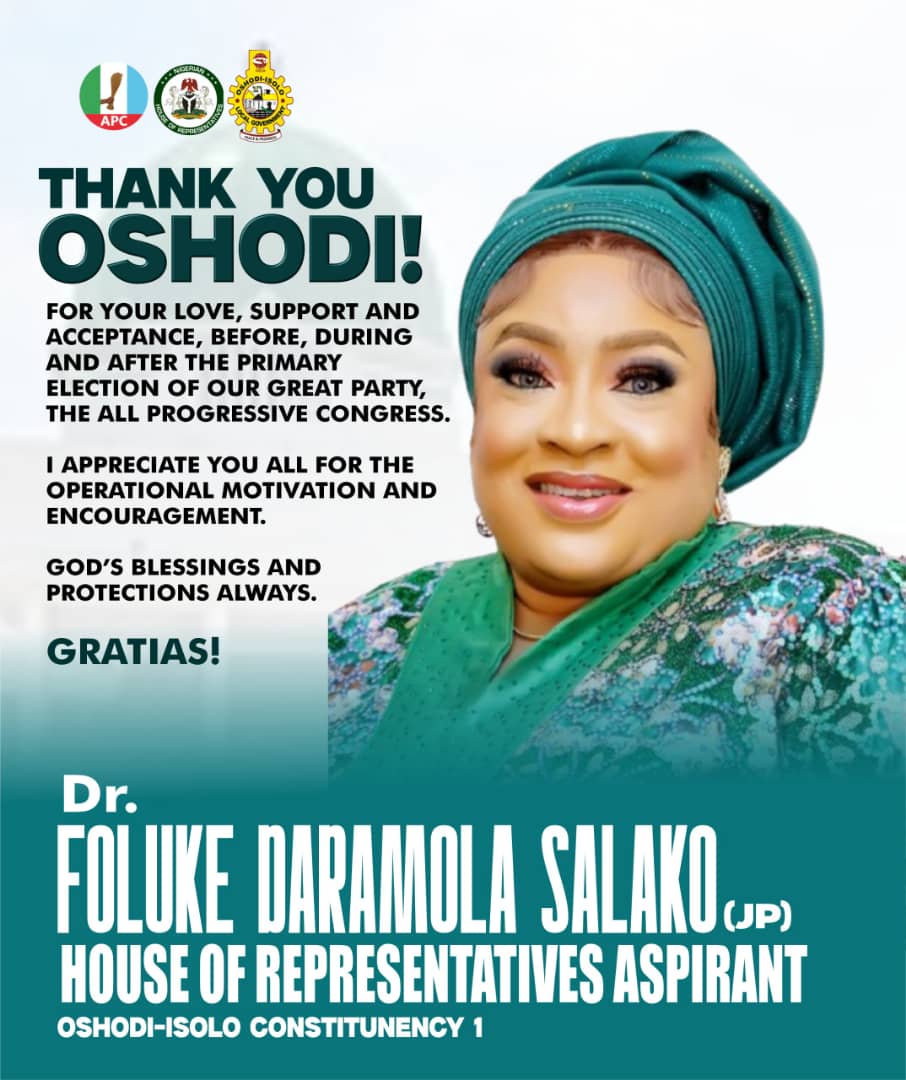
Clarification on Appreciation Message to First Lady, Party Leaders, Residents, and HoR Aspirants in Oshodi APC Primaries — Hon. Foluke Daramola-Salako

20 Things Many People Don’t Know About Foluke Daramola

Foluke Daramola Inspires Students at Ikeja High School Career Day

Beyond Nollywood — Why Major Blogs and Newspapers cannot stop Talking about Foluke Daramola in 2026

How Foluke Daramola Is Using PARA Africa to Fight Abuse in Nigeria

FOLUKE DARAMOLA-SALAKO: A New Era of Competence and Action for Oshodi-Isolo Constituency 1
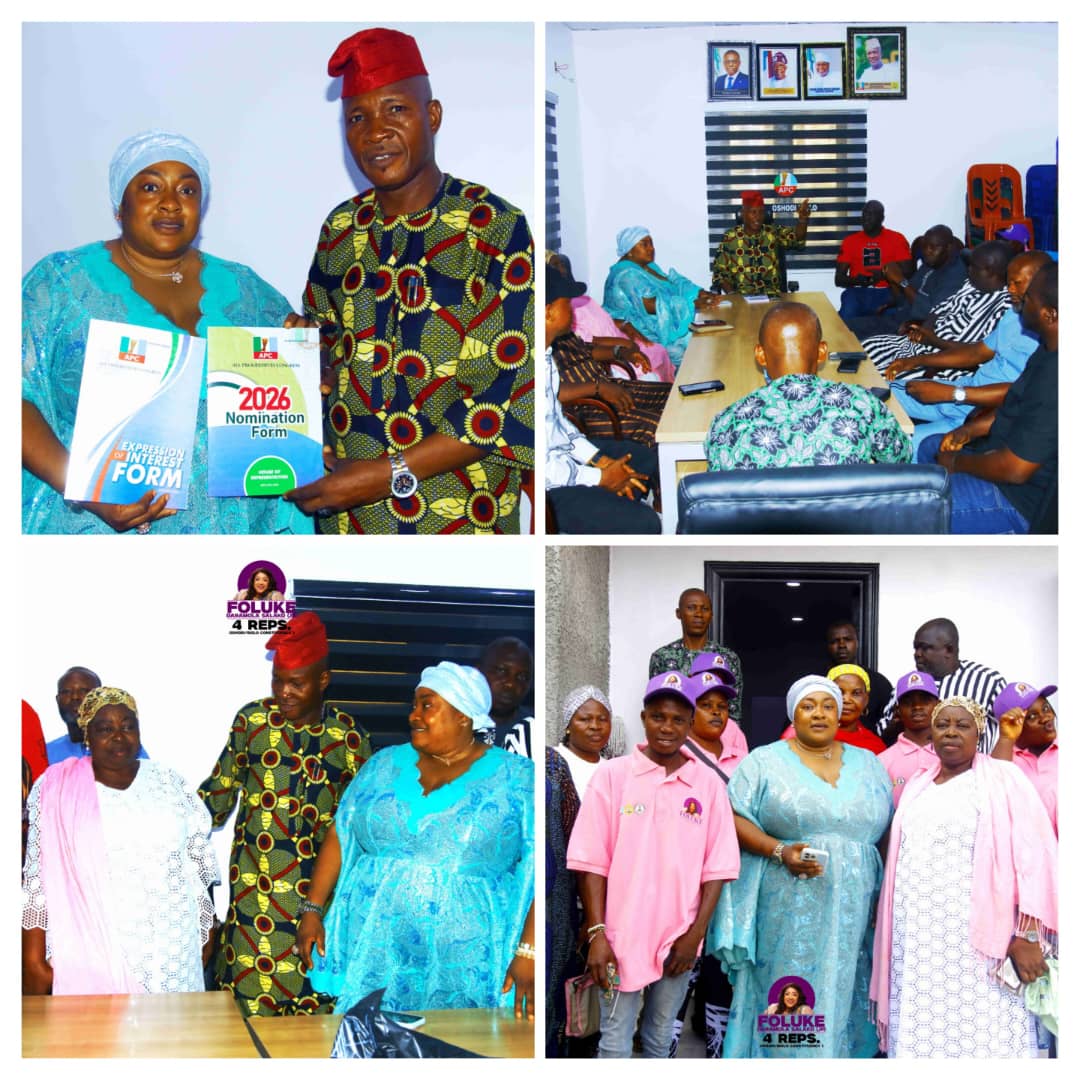
Daramola-Salako Presents Expression of Interest and Nomination Forms, Pledges Transformative Grassroots Development
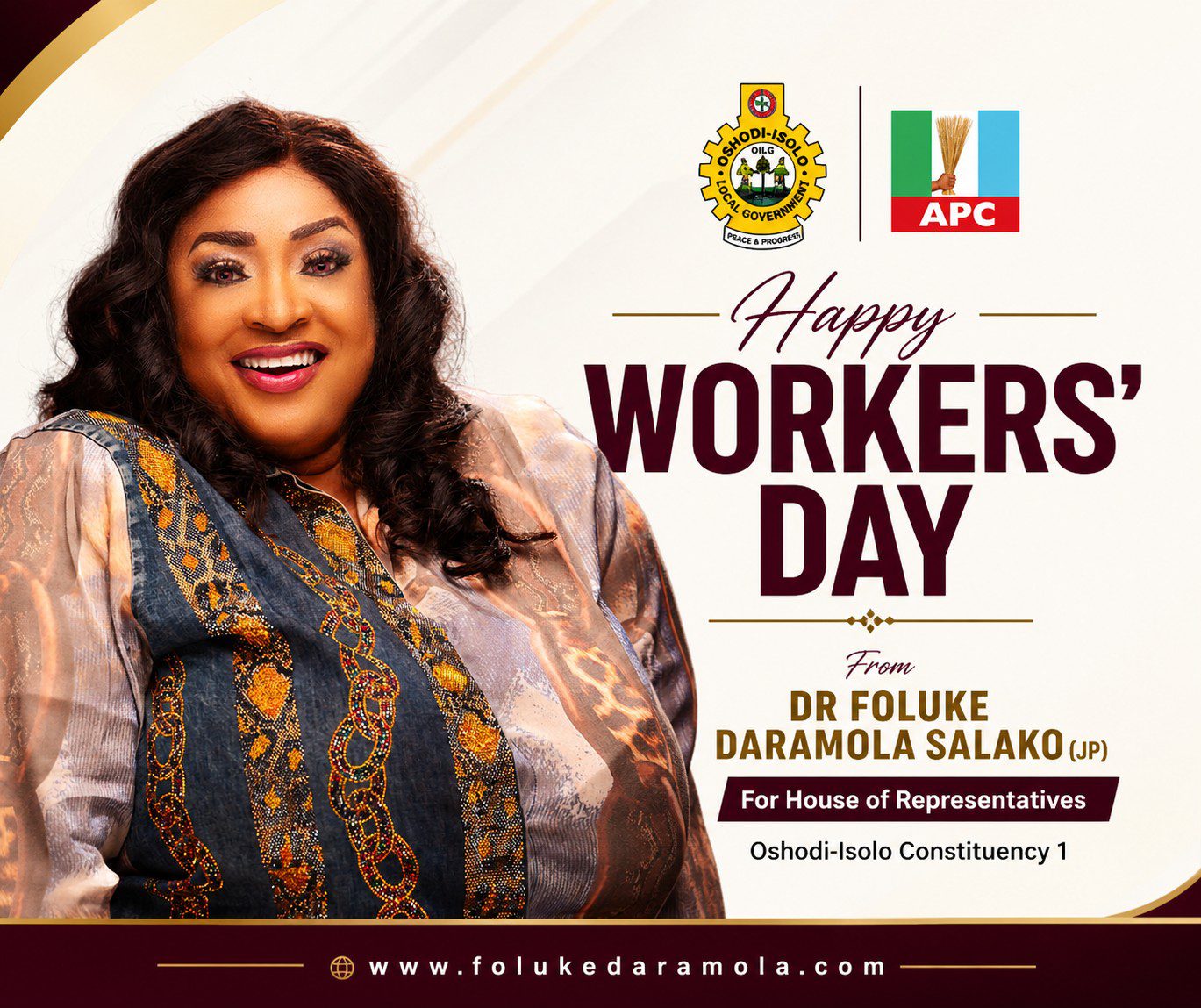
Hon. Foluke Daramola-Salako Celebrates Nigerian Workers on Workers’ Day
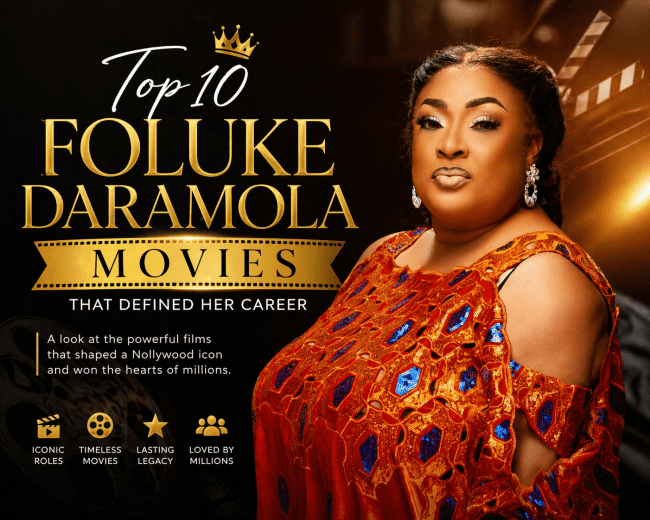
Top 10 Foluke Daramola Movies That Shaped Her Career

7 Nollywood Actors Who Have Worked Closely with Foluke Daramola
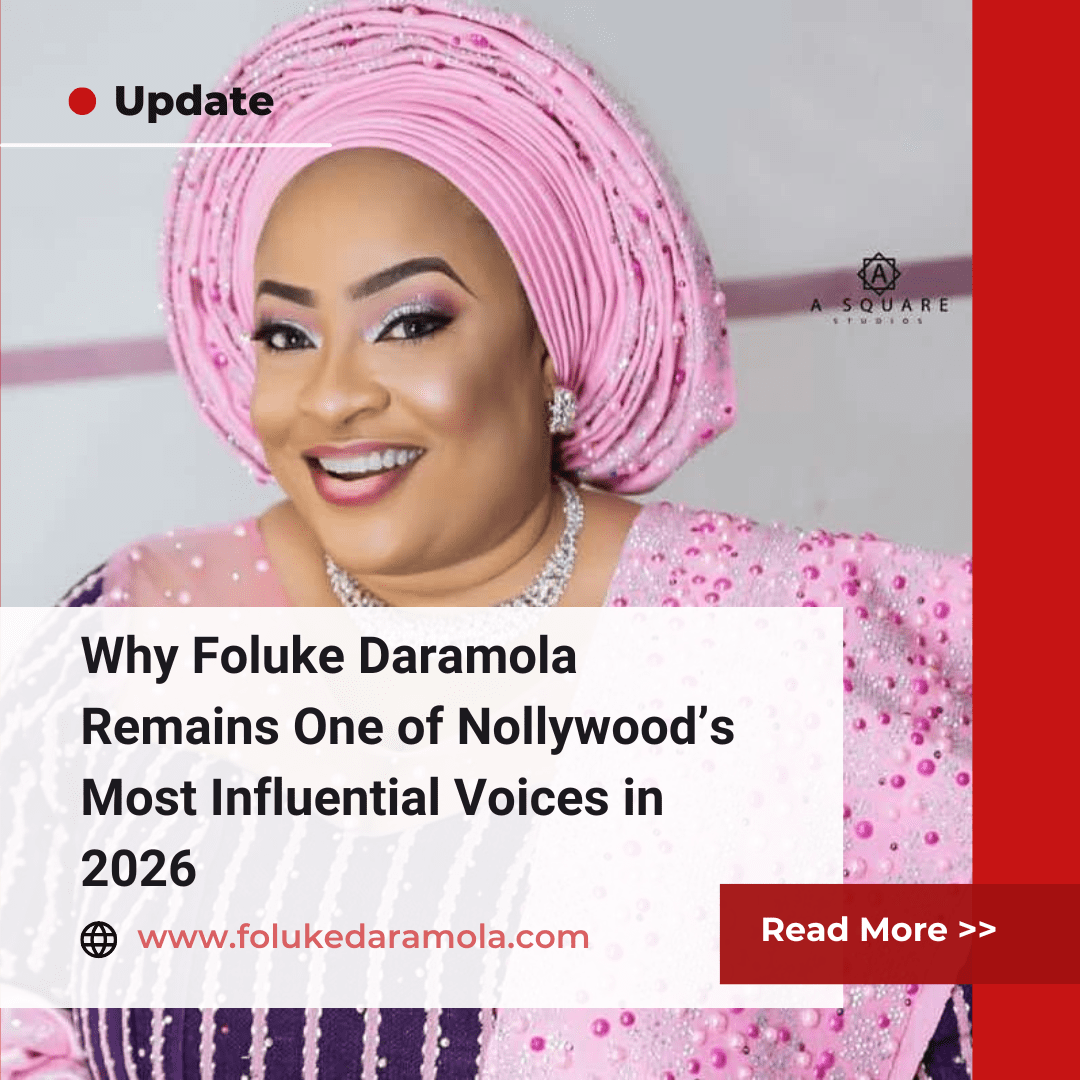
Why Foluke Daramola Remains One of Nollywood’s Most Influential Voices in 2026
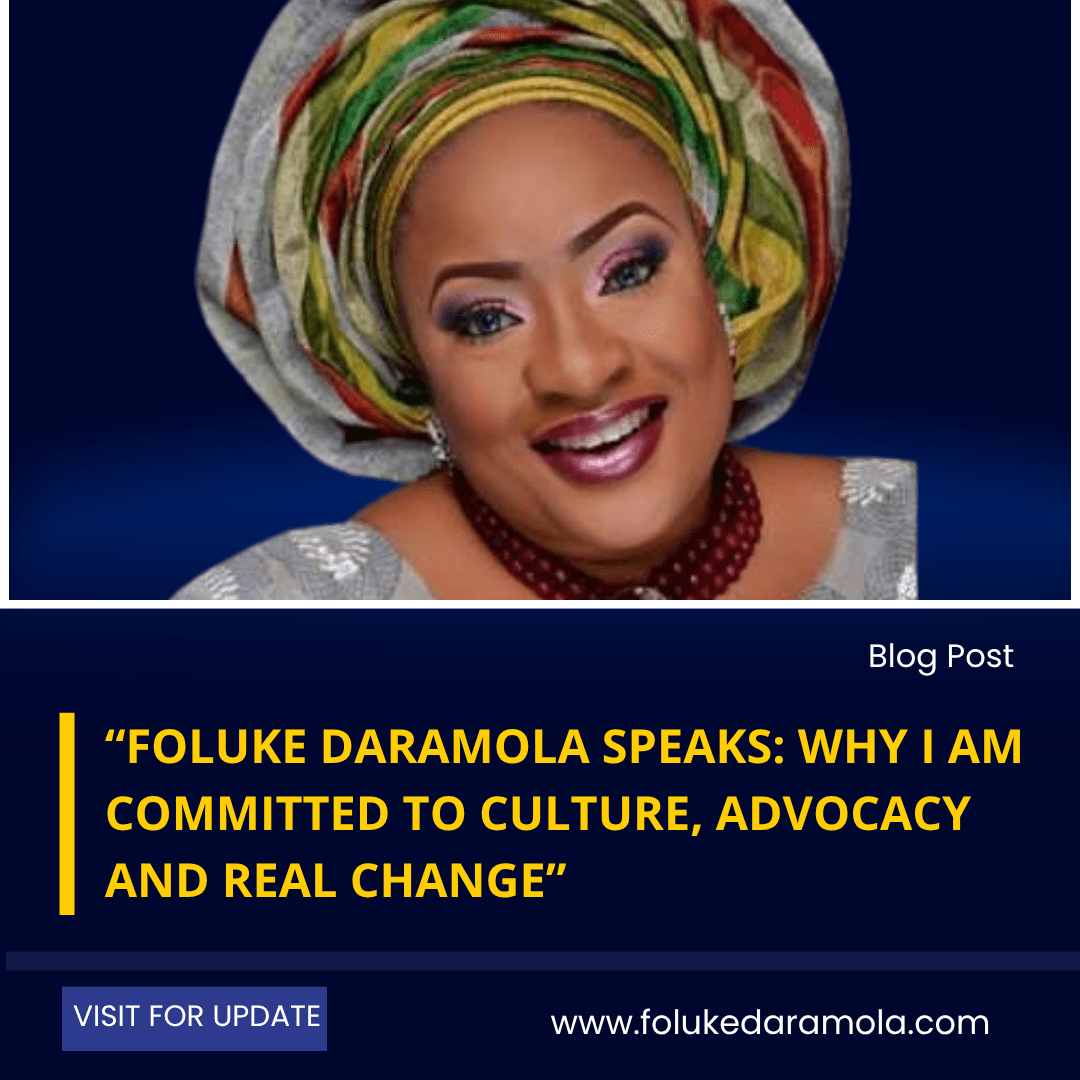
“Foluke Daramola Speaks: Why I Am Committed to Culture, Advocacy and Real Change”
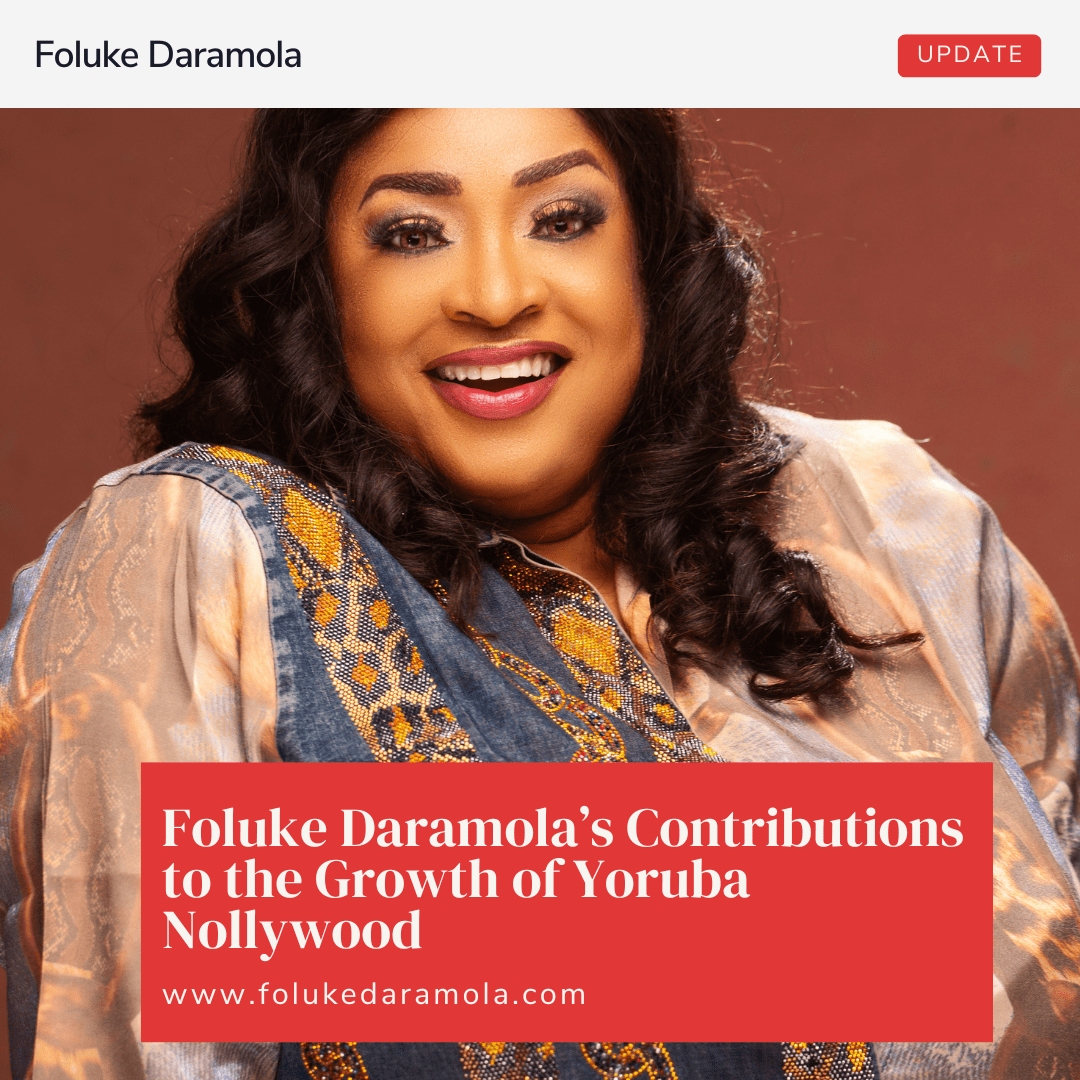
Foluke Daramola’s Contributions to the Growth of Yoruba Nollywood
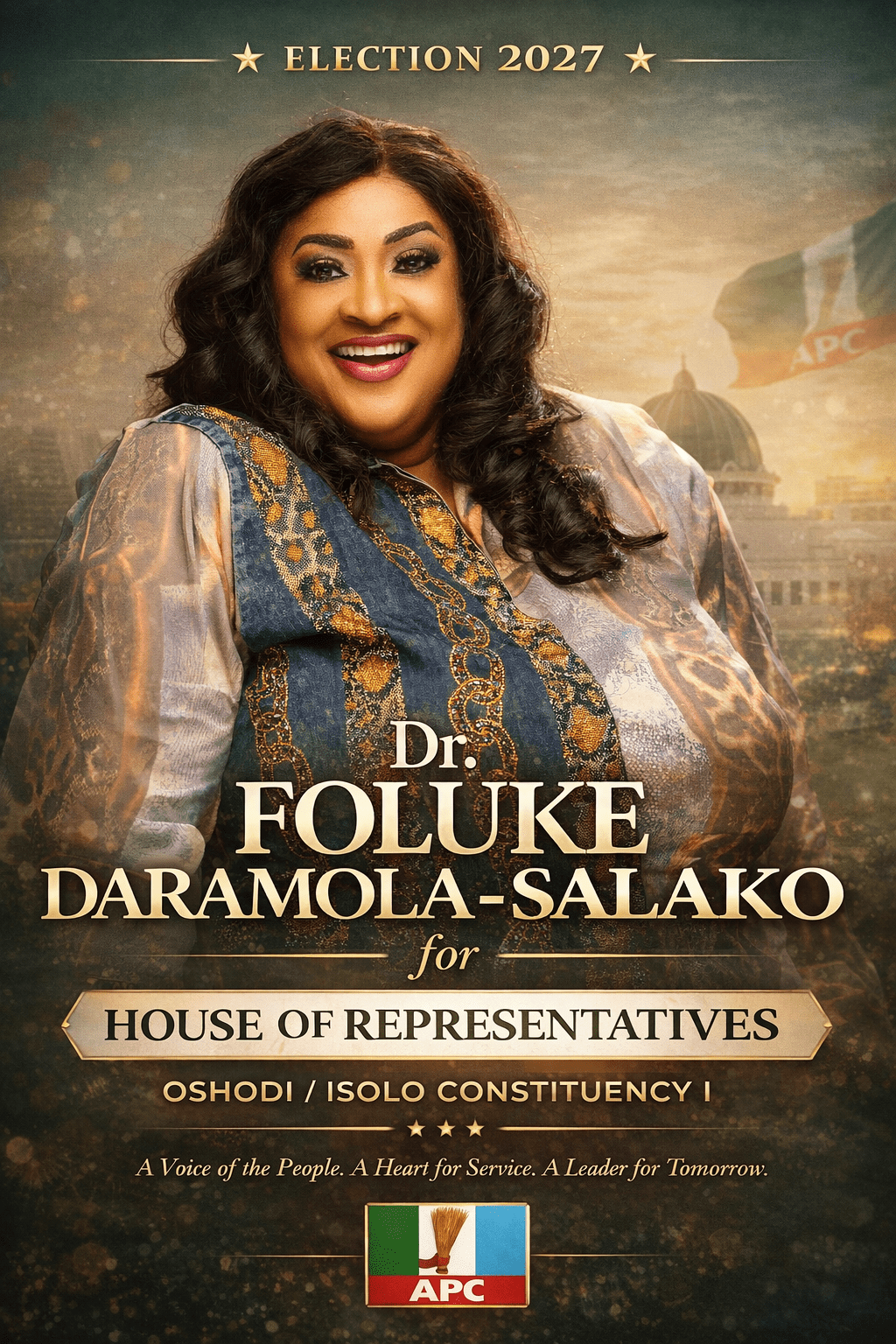
Dr. Foluke Daramola-Salako: A Voice of the People. A Heart for Service. A Leader for Tomorrow
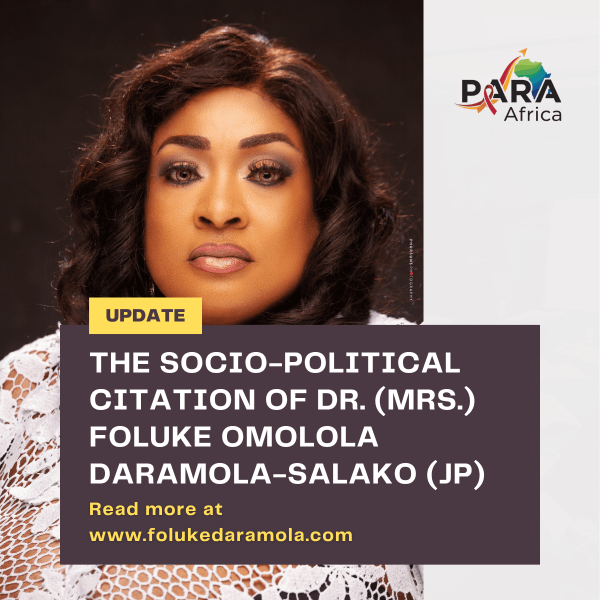
The Socio-Political Citation of Dr. (Mrs) Foluke Daramola Salako (JP)
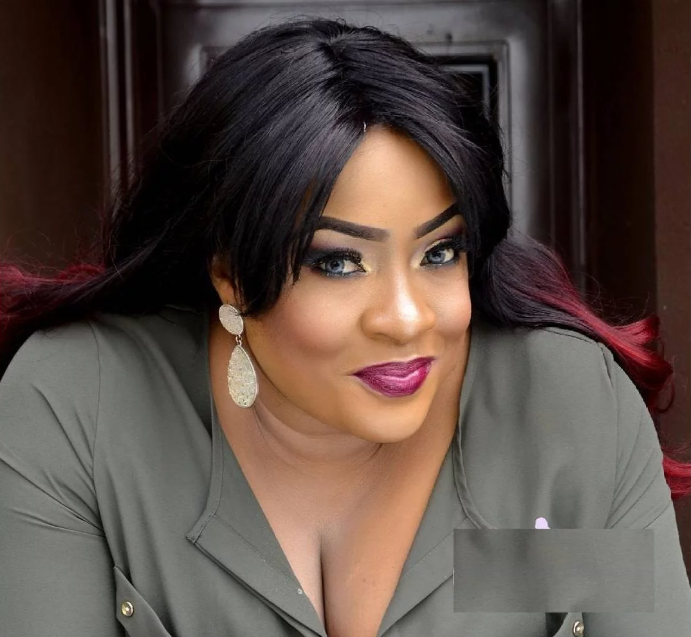
Foluke Daramola: A Complete Journey Through Her Life, Career, Impact, and Advocacy in Nollywood