


How to Identify and Support Abuse Victims in Nigeria: What Everyone Should Know
Abuse remains one of the most pressing social challenges affecting individuals, families and communities across Nigeria. While many cases occur behind closed doors, the consequences can be devastating and long-lasting.
From domestic violence and emotional abuse to child abuse and exploitation, thousands of people suffer in silence because they fear stigma, retaliation or a lack of support.
According to advocates and organisations working in the field of protection and welfare, recognising the warning signs early can help save lives and provide victims with the assistance they need.
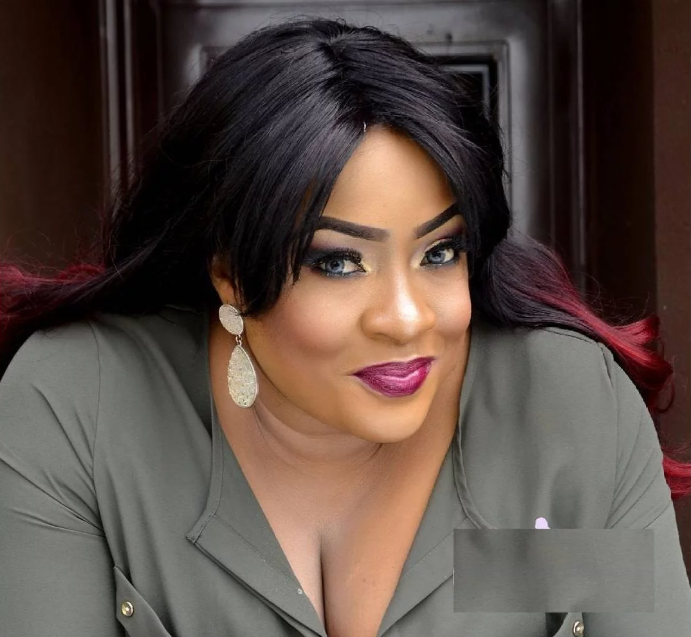
For years, actress, activist and founder of PARA Africa, Foluke Daramola, has championed awareness campaigns aimed at protecting vulnerable individuals and supporting survivors of abuse. Her advocacy continues to highlight the importance of community responsibility in addressing abuse and promoting justice.
Understanding Abuse Beyond Physical Violence
Many people associate abuse only with physical harm. However, abuse can take several forms.
These include emotional abuse, verbal intimidation, financial control, neglect, sexual exploitation and psychological manipulation.
In many cases, victims may not show visible injuries, making it difficult for others to recognise what they are experiencing.
Experts say understanding these different forms of abuse is the first step towards helping those affected.
According to global advocacy efforts focused on Ending Violence Against Women, awareness and early intervention remain critical in protecting vulnerable individuals.
Common Signs of Abuse
Recognising abuse often begins with observing changes in behaviour, appearance or emotional wellbeing.
Some common warning signs include:
- Unexplained injuries or frequent accidents
- Withdrawal from friends and family
- Sudden loss of confidence
- Anxiety, fear or depression
- Poor academic performance in children
- Excessive fear of a partner, guardian or caregiver
- Unusual financial dependence or restrictions
- Changes in eating or sleeping patterns
Children experiencing abuse may also become unusually quiet, aggressive or fearful around certain individuals.
While these signs do not always confirm abuse, they should never be ignored.
Don’t Miss: Beyond Headlines: Foluke Daramola Highlights The Human Impact Of Insecurity In Nigeria
Why Many Victims Remain Silent
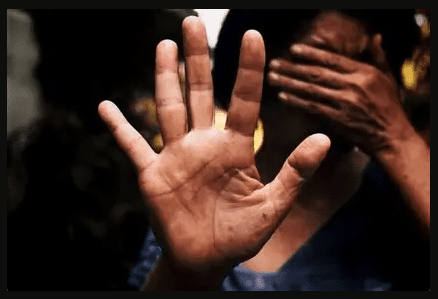
One of the biggest challenges in tackling abuse is that many victims do not speak out. Fear often plays a significant role.
Victims may worry about social stigma, family pressure, financial dependence or threats from their abusers.
In some communities, cultural expectations can also discourage individuals from reporting abuse.
This silence allows harmful situations to continue and may prevent victims from accessing help.
Breaking this cycle requires understanding, compassion and support rather than judgement.
How to Support Abuse Victims in Nigeria
Supporting abuse victims does not always require professional expertise. Small actions can make a significant difference.
Listen Without Judgement
Victims often need someone who will listen to them without criticism.
Avoid blaming them or questioning why they stayed in the situation.
Instead, focus on creating a safe environment where they feel heard and respected.
Believe Their Experience
Many survivors struggle because others dismiss or minimise their experiences.
Showing empathy and acknowledging their feelings can help rebuild trust and confidence.
Encourage Professional Help
Support victims in accessing qualified professionals, including counsellors, healthcare providers, legal experts and protection organisations.
Professional intervention can provide both emotional support and practical guidance.
Respect Their Decisions
Leaving an abusive situation can be complex and dangerous.
While it is important to encourage safety, victims should be allowed to make informed decisions about their next steps.
Pressuring them may unintentionally increase their stress.
The Role of Communities
Communities play a critical role in preventing abuse and protecting vulnerable individuals.
Neighbours, teachers, religious leaders and community organisations often serve as the first line of support.
By promoting awareness, encouraging reporting and supporting victims, communities can help create safer environments for everyone.
Public education campaigns, school programmes and advocacy initiatives continue to raise awareness about abuse prevention across Nigeria.
Why Awareness Matters
Abuse thrives in silence.
The more people understand the warning signs and available support systems, the more likely victims are to receive help before situations escalate.
Awareness also helps challenge harmful stereotypes that discourage survivors from speaking out.
As advocates such as Foluke Daramola continue to amplify conversations around protection and human dignity, more Nigerians are recognising that preventing abuse is a collective responsibility.
Building a Safer Future
Supporting abuse victims requires compassion, vigilance and action.
Every individual deserves to live free from fear, violence and exploitation.
By learning to identify warning signs, offering support and promoting awareness, Nigerians can contribute to safer families, stronger communities and a more protective society.
Creating lasting change begins with recognising that abuse is never acceptable and that every victim deserves support, respect and justice.
Research published by the World Health Organization highlights the long-term physical and psychological effects of abuse.
Frequently Asked Questions (FAQs)
What are the most common signs of abuse?
Common signs include unexplained injuries, emotional withdrawal, anxiety, fear, depression, behavioural changes and social isolation.
How can I help someone who may be experiencing abuse?
Listen without judgement, believe their experiences, encourage professional help and respect their decisions.
Is emotional abuse as serious as physical abuse?
Yes. Emotional abuse can have severe long-term effects on mental health, self-esteem and overall wellbeing.
Why do abuse victims often remain silent?
Fear, stigma, financial dependence, family pressure and safety concerns often prevent victims from speaking out.
What role can communities play in preventing abuse?
Communities can raise awareness, encourage reporting, support victims and promote protective environments for vulnerable individuals.
Read More: Foluke Daramola Inspires Students at Ikeja High School Career Day


Related Posts
The Power of Using Fame for Social Change – Foluke Daramola
Hon. Foluke Daramola-Salako (J.P.) Visits Cardinal Odunmbaku Over Wife’s Death

Why Young Nigerians Must Participate in Politics | Foluke Daramola

5 Powerful Life Lessons I Learned From My Nollywood Journey
Foluke Daramola Mourns Alhaja Modinat: “So Shocking to Hear That She Is Gone”

History of Nollywood in Western Nigeria: Why Our Stories Must Never Be Forgotten

How Women Can Speak Up Against Abuse and Seek Help
Foluke Daramola Celebrates Democracy Day and Calls for Unity in Nigeria
The Most Realistic Solution To Nigeria’s Age-Long And Persistent Problems

Lagos APC Guber Bid: Foluke Daramola-Salako Celebrates MO’s Emergence as Campaign DG

Oluwatobi Yeye-Irojah: The Filmmaker, Media Entrepreneur and Visionary Behind Phursuns World
Steadfast and Unwavering: Two Decades and Nine Years with Asiwaju
Beyond Headlines: Foluke Daramola Highlights The Human Impact Of Insecurity In Nigeria
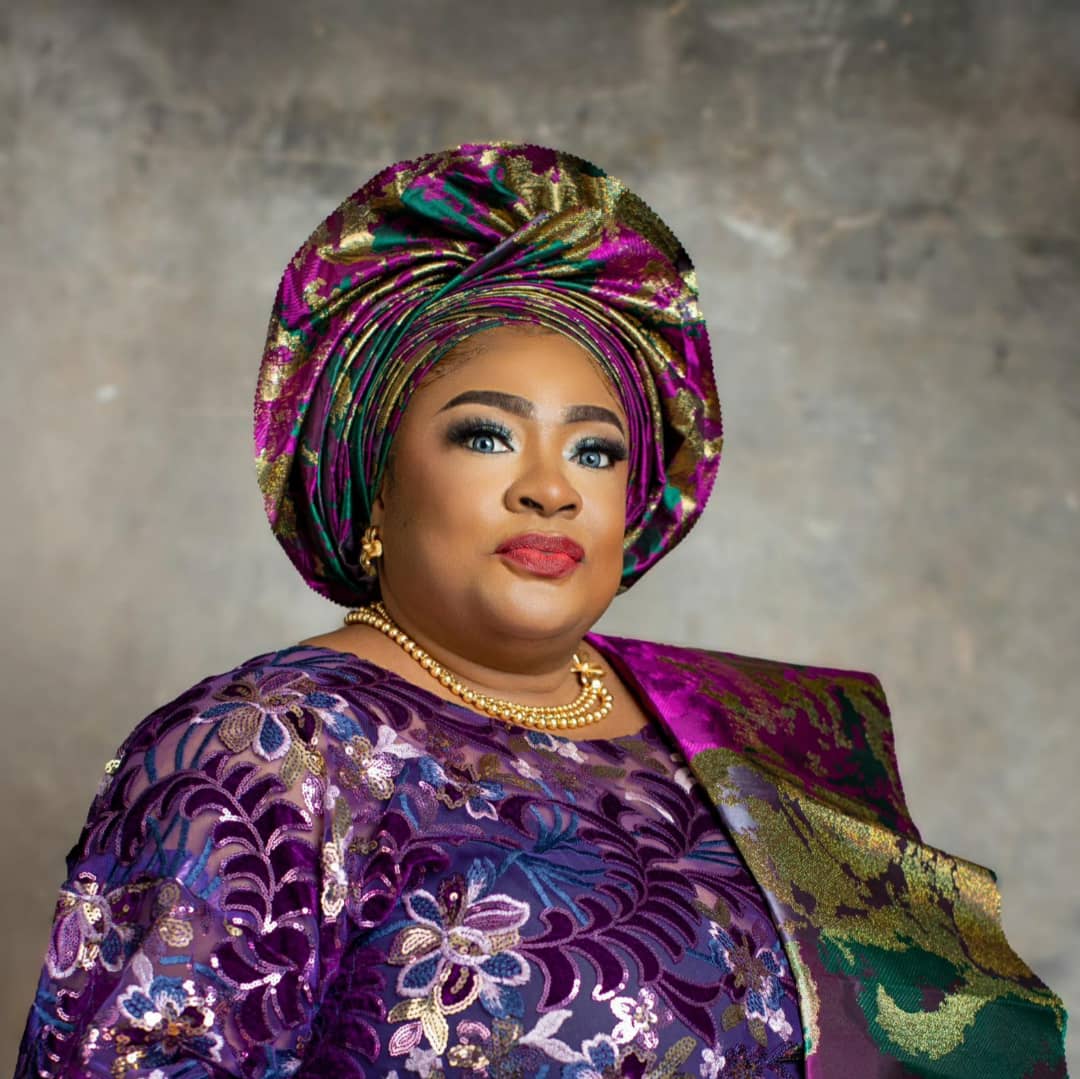
“IT WAS A MESSAGE OF APPRECIATION, NOT OF VICTORY DECLARATION, OR CELEBRATION

Who Is Hon. Olukayode Salako? A Look at His Life, Leadership and Public Service
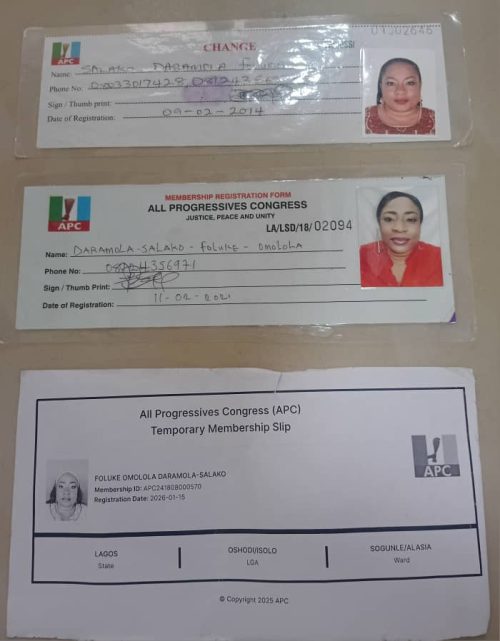
To Those Who Have Been Asking Whether Foluke Is From Oshodi? — Yes, Maritally and Politically!

HoR Primaries: Hon. Foluke Daramola-Salako Extends Appreciation to Sen. Remi Tinubu, National, State, and Oshodi-Isolo Party Leaders

APC GOVERNORSHIP CANDIDATE: Foluke Daramola-Salako Congratulates Dr. Hamzat

Foluke Daramola-Salako Felicitates PBAT on His Emergence as APC Presidential Candidate for the 2027 Presidential Election
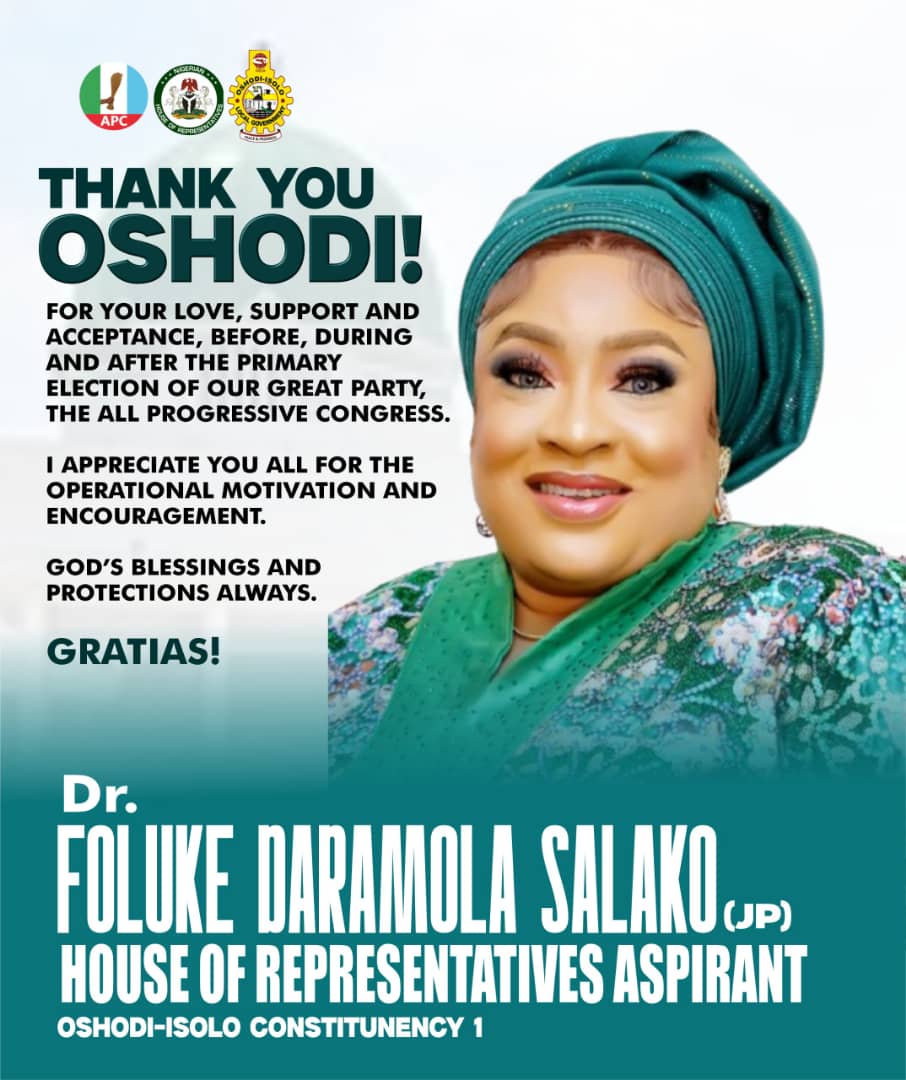
Clarification on Appreciation Message to First Lady, Party Leaders, Residents, and HoR Aspirants in Oshodi APC Primaries — Hon. Foluke Daramola-Salako

20 Things Many People Don’t Know About Foluke Daramola

Foluke Daramola Inspires Students at Ikeja High School Career Day

Beyond Nollywood — Why Major Blogs and Newspapers cannot stop Talking about Foluke Daramola in 2026
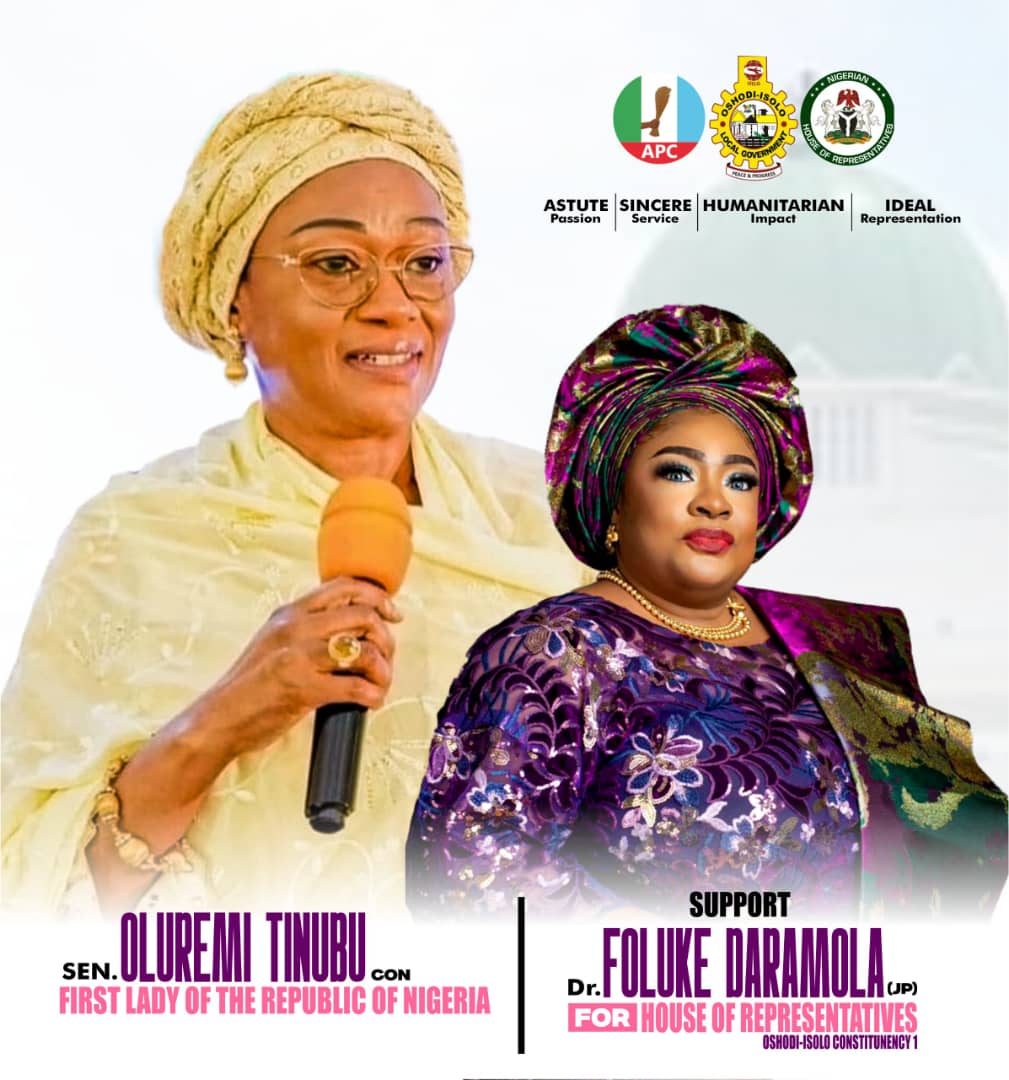
The Nigerian Woman and the Need for Greater Inclusion in Politics

How Foluke Daramola Is Using PARA Africa to Fight Abuse in Nigeria

FOLUKE DARAMOLA-SALAKO: A New Era of Competence and Action for Oshodi-Isolo Constituency 1
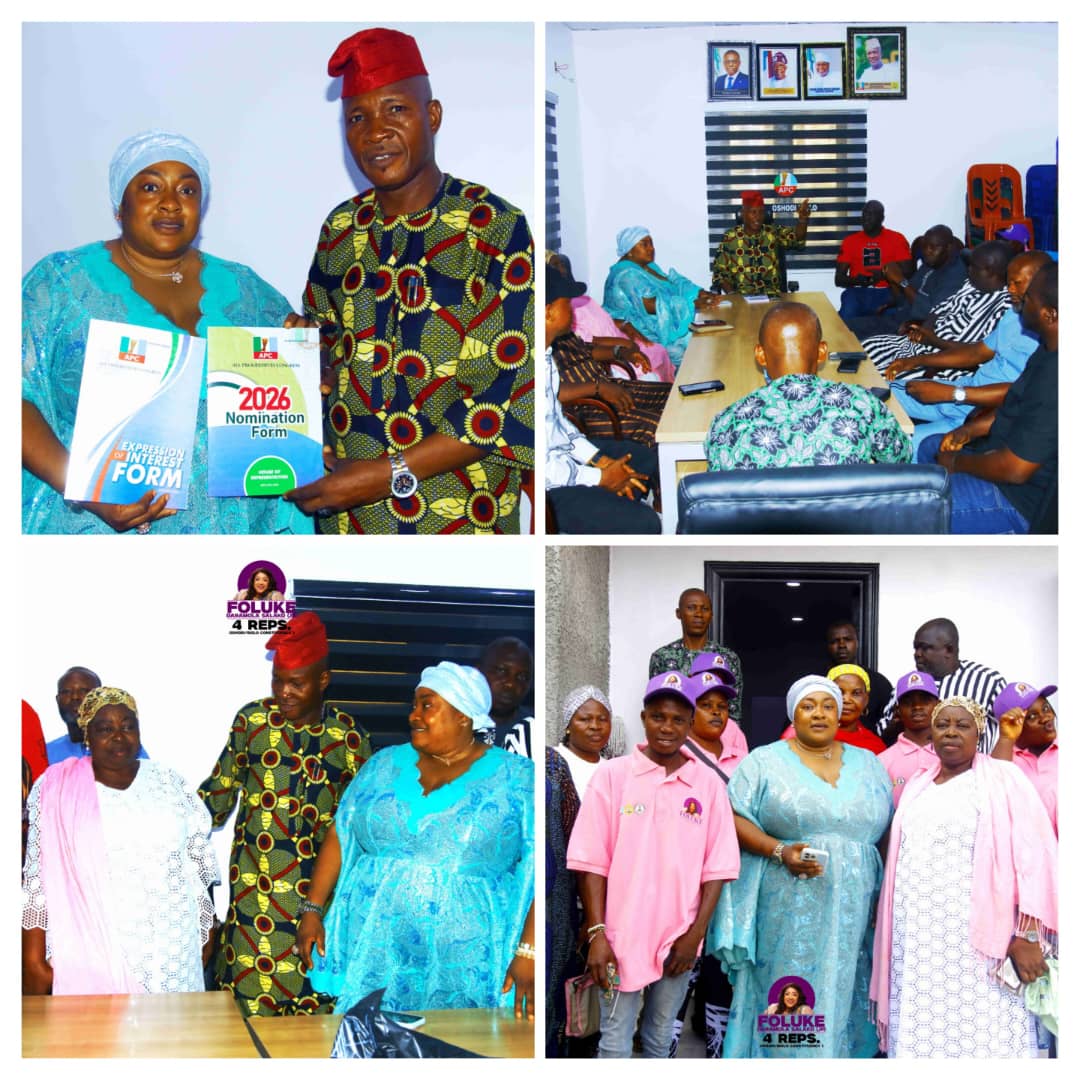
Daramola-Salako Presents Expression of Interest and Nomination Forms, Pledges Transformative Grassroots Development
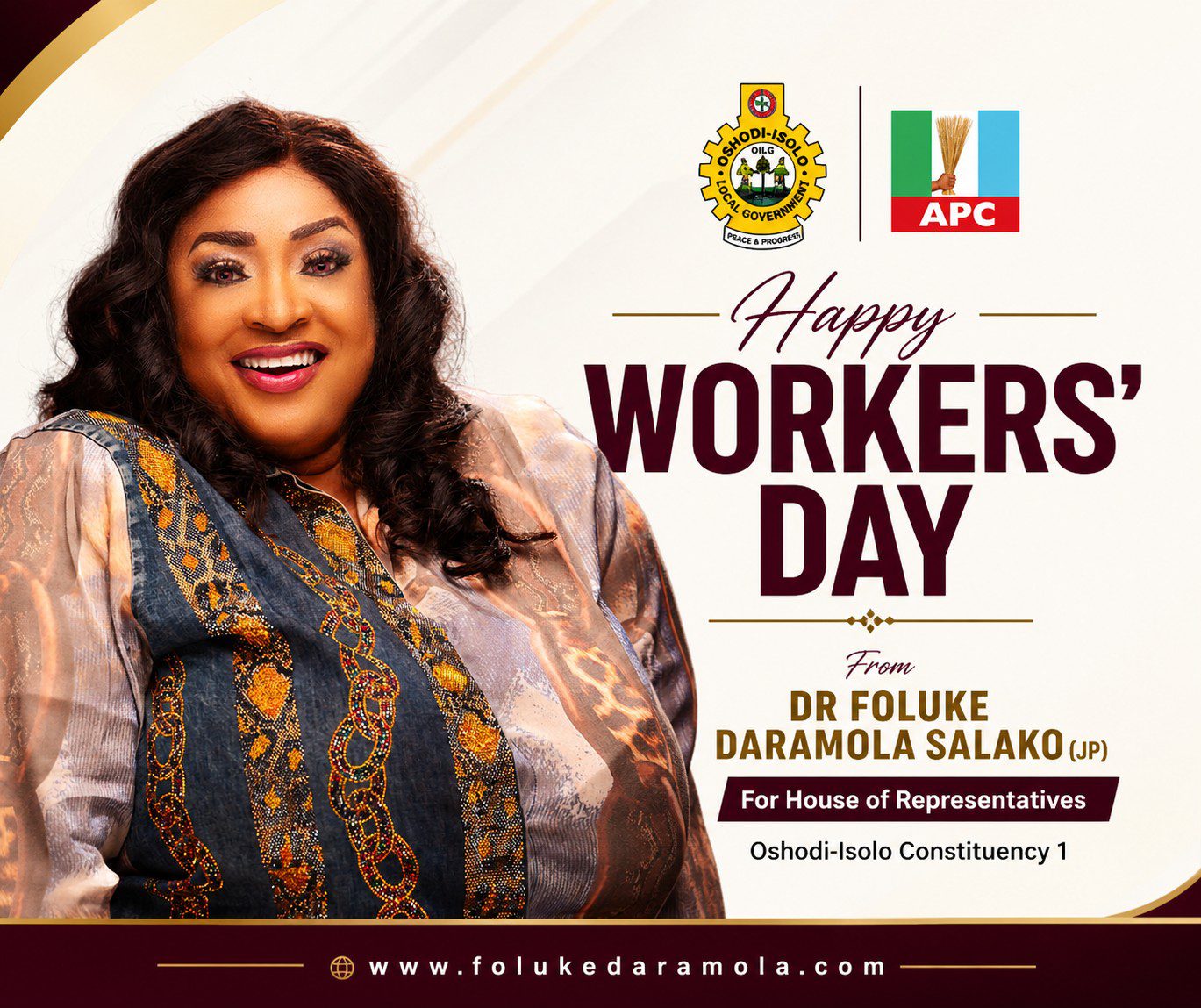
Hon. Foluke Daramola-Salako Celebrates Nigerian Workers on Workers’ Day

Top 10 Foluke Daramola Movies That Shaped Her Career

7 Nollywood Actors Who Have Worked Closely with Foluke Daramola

Why Foluke Daramola Remains One of Nollywood’s Most Influential Voices in 2026
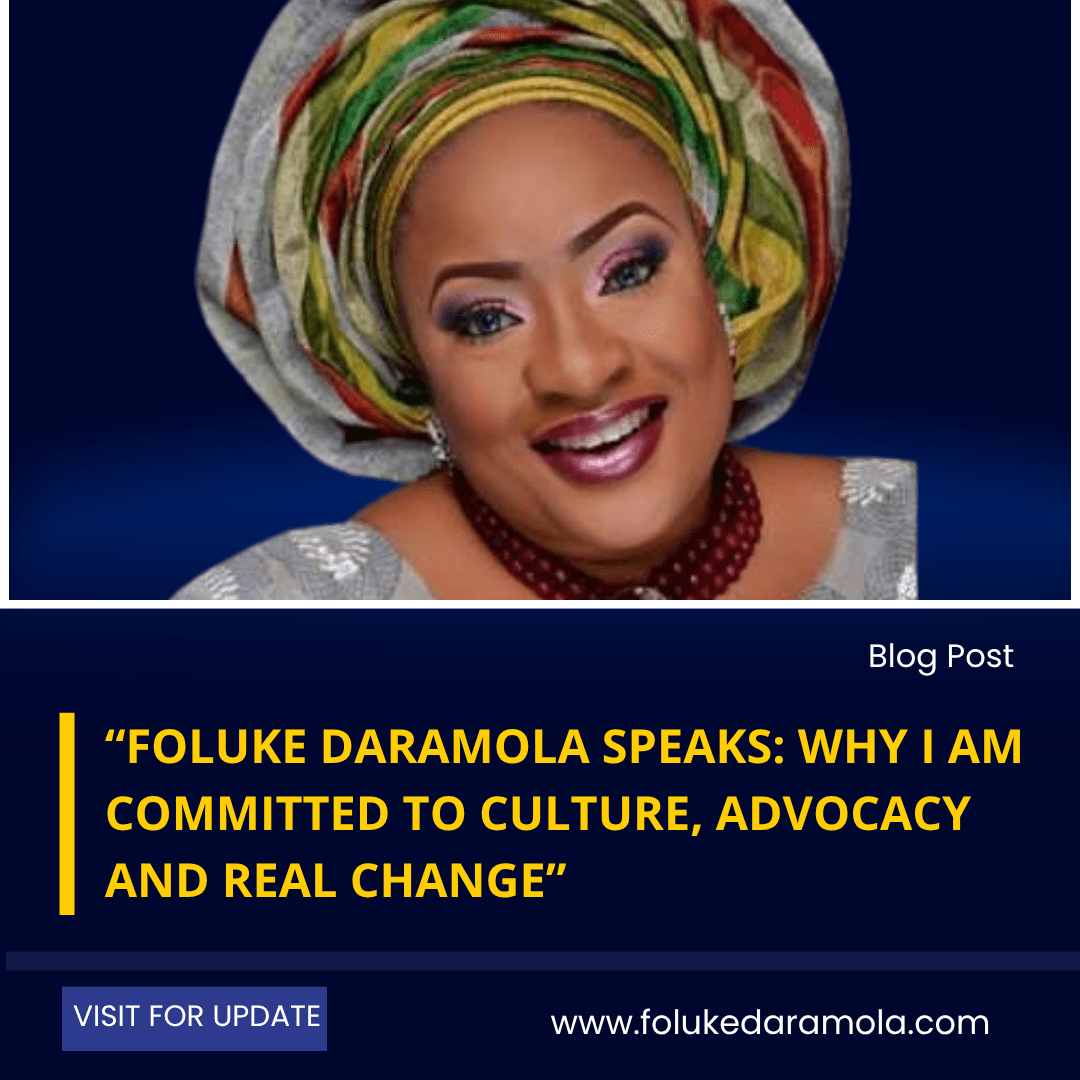
“Foluke Daramola Speaks: Why I Am Committed to Culture, Advocacy and Real Change”

Foluke Daramola’s Contributions to the Growth of Yoruba Nollywood

Dr. Foluke Daramola-Salako: A Voice of the People. A Heart for Service. A Leader for Tomorrow
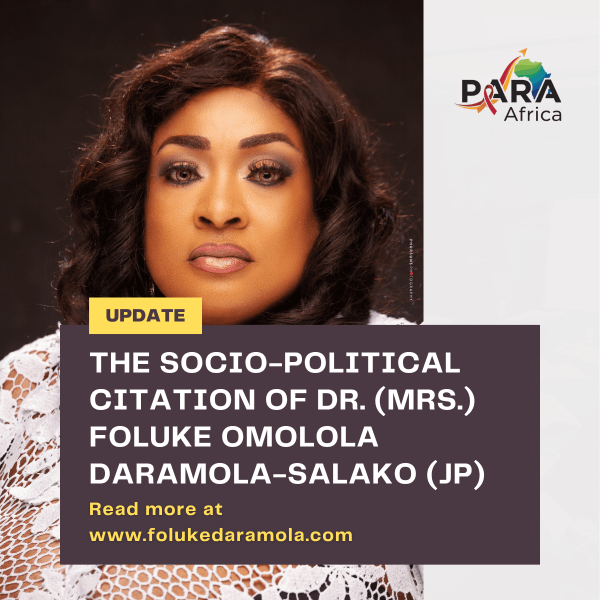
The Socio-Political Citation of Dr. (Mrs) Foluke Daramola Salako (JP)
Foluke Daramola: A Complete Journey Through Her Life, Career, Impact, and Advocacy in Nollywood