
The Most Realistic Solution To Nigeria’s Age-Long And Persistent Problems
In my unapologetic opinion, the most realistic solution to Nigeria’s age-long and perennial challenges, is for the Northern and Southern parts of the country to become separate nations.
My Reason:
The way the Northern part of Nigeria wants the country to be governed is fundamentally different from the way the Southern part wants it governed.
The predominantly Muslim North appears to favour a socio-political system that is strongly influenced by Islamic principles and Sharia law, reflecting the historical legacy of leaders, such as Uthman dan Fodio and the Sokoto Caliphate.
On the other hand, the South largely favours a secular constitutional democracy, founded on civil liberties, political pluralism, and the democratic structures, inherited from the colonial era, and advanced by nationalist leaders, such as Herbert Macaulay, Nnamdi Azikiwe, Obafemi Awolowo, and others.
These two visions of nationhood, often seem difficult to reconcile.
Don’t Miss: Who Is Hon. Olukayode Salako? A Look at His Life, Leadership and Public Service
As stated in the Holy Bible:
“Can two walk together, except they be agreed?” (Amos 3:3).
This fundamental divergence in political and social outlook is one of the reasons Nigeria has struggled to achieve lasting national cohesion and a united sense of purpose since independence.
Until Nigeria is either comprehensively restructured into a system that accommodates its deep diversities, or peacefully re-organised into separate sovereign entities, the country may continue to experience many of the political, social, and constitutional tensions that have characterised its history.
My Conclusion:
Any Nigerian President, who is unwilling to confront this structural question, may ultimately leave Nigeria much the same way he met it.
Such a President may build roads and bridges, construct schools and hospitals, and execute numerous development projects.
While these achievements are important, they may not fundamentally address what many consider to be the country’s underlying structural challenges.
Successive leaders, including General Ibrahim Babangida, President Olusegun Obasanjo, President Umaru Musa Yar’Adua, President Goodluck Jonathan, and President Muhammadu Buhari, made contributions to national development, yet the core debates about Nigeria’s structure and governance remain unresolved.
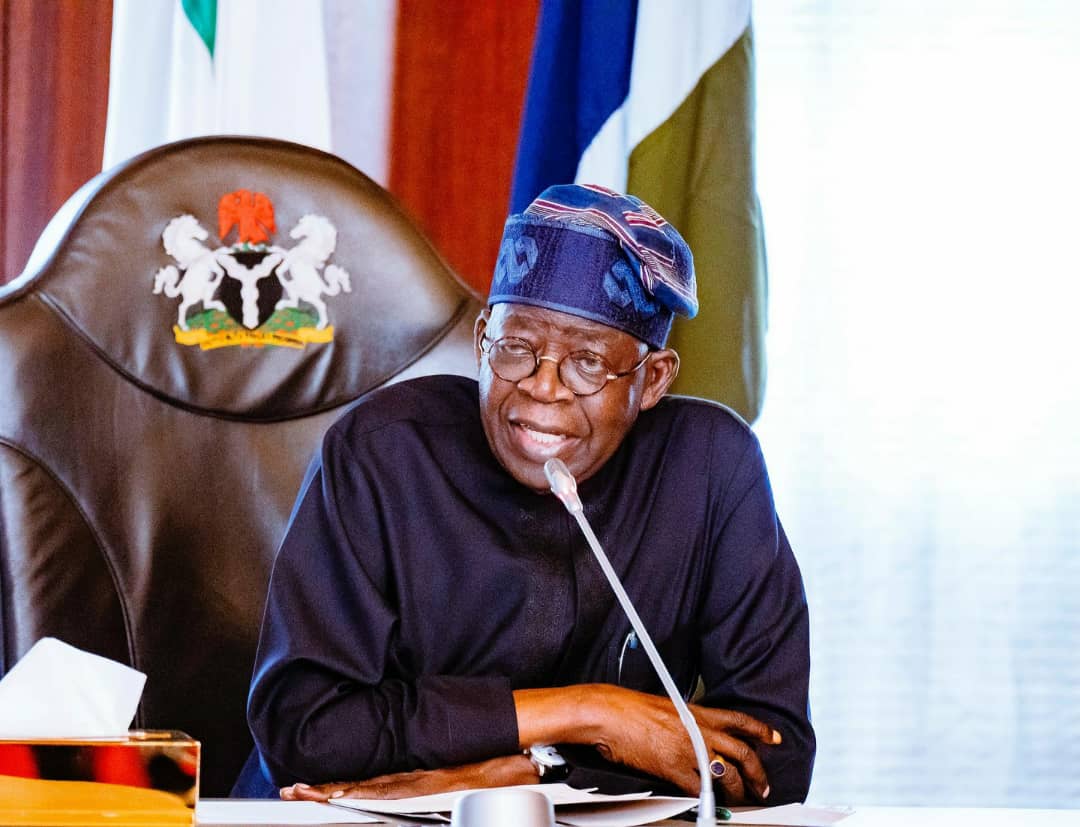
If President Bola Ahmed Tinubu wishes to leave a transformational legacy, he should give serious consideration to meaningful constitutional restructuring that reflects Nigeria’s diversity and aspirations.
If restructuring proves impossible, then a peaceful and democratic conversation about alternative political arrangements, including greater regional autonomy, or other constitutional options, should not be considered taboo.
Until Nigeria honestly addresses its structural challenges, many of the problems that have persisted throughout its history may continue to endure.
May President Bola Tinubu too, like others, not leave Nigeria the same way he met it.
– Olukayode Salako.
Read More: Lagos APC Guber Bid: Foluke Daramola-Salako Celebrates MO&;s Emergence as Campaign DG

Related Posts
The Power of Using Fame for Social Change – Foluke Daramola
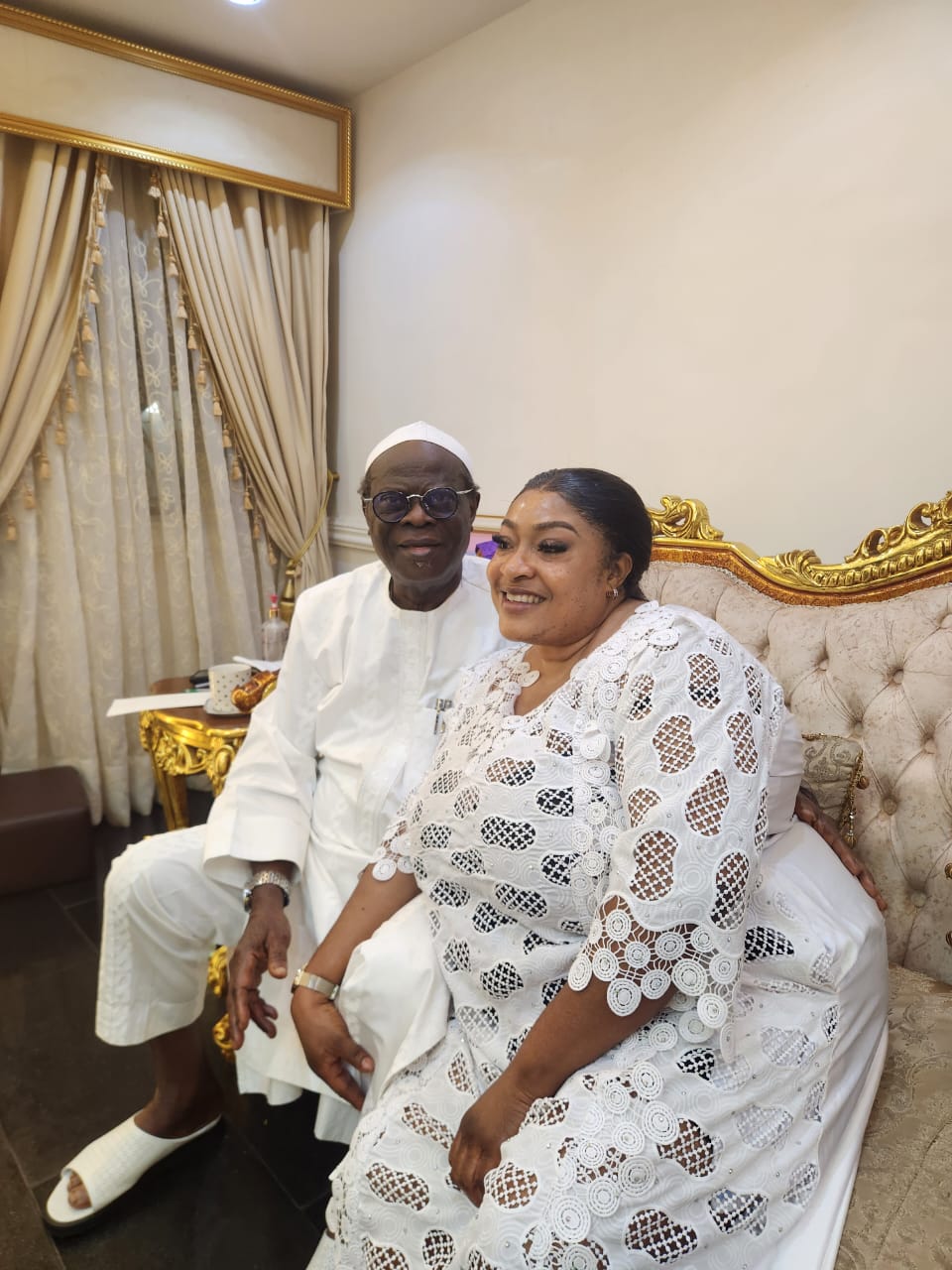
Hon. Foluke Daramola-Salako (J.P.) Visits Cardinal Odunmbaku Over Wife’s Death
Why Young Nigerians Must Participate in Politics | Foluke Daramola
5 Powerful Life Lessons I Learned From My Nollywood Journey
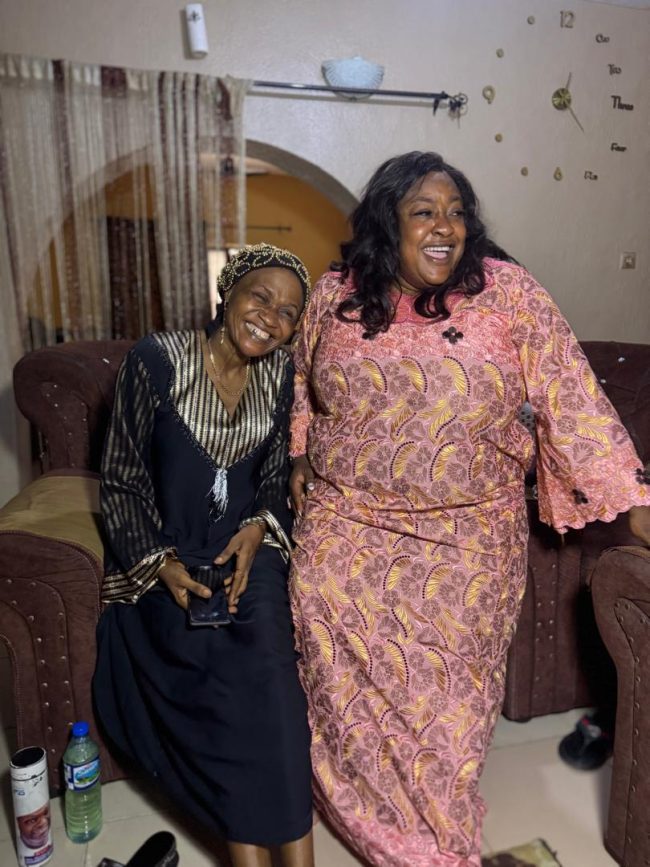
Foluke Daramola Mourns Alhaja Modinat: “So Shocking to Hear That She Is Gone”

History of Nollywood in Western Nigeria: Why Our Stories Must Never Be Forgotten

How Women Can Speak Up Against Abuse and Seek Help
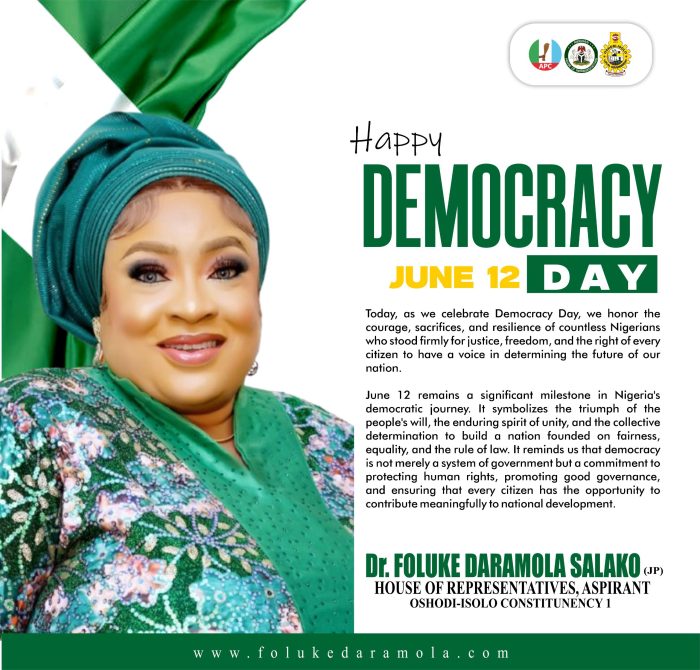
Foluke Daramola Celebrates Democracy Day and Calls for Unity in Nigeria
How to Identify and Support Abuse Victims in Nigeria: What Everyone Should Know
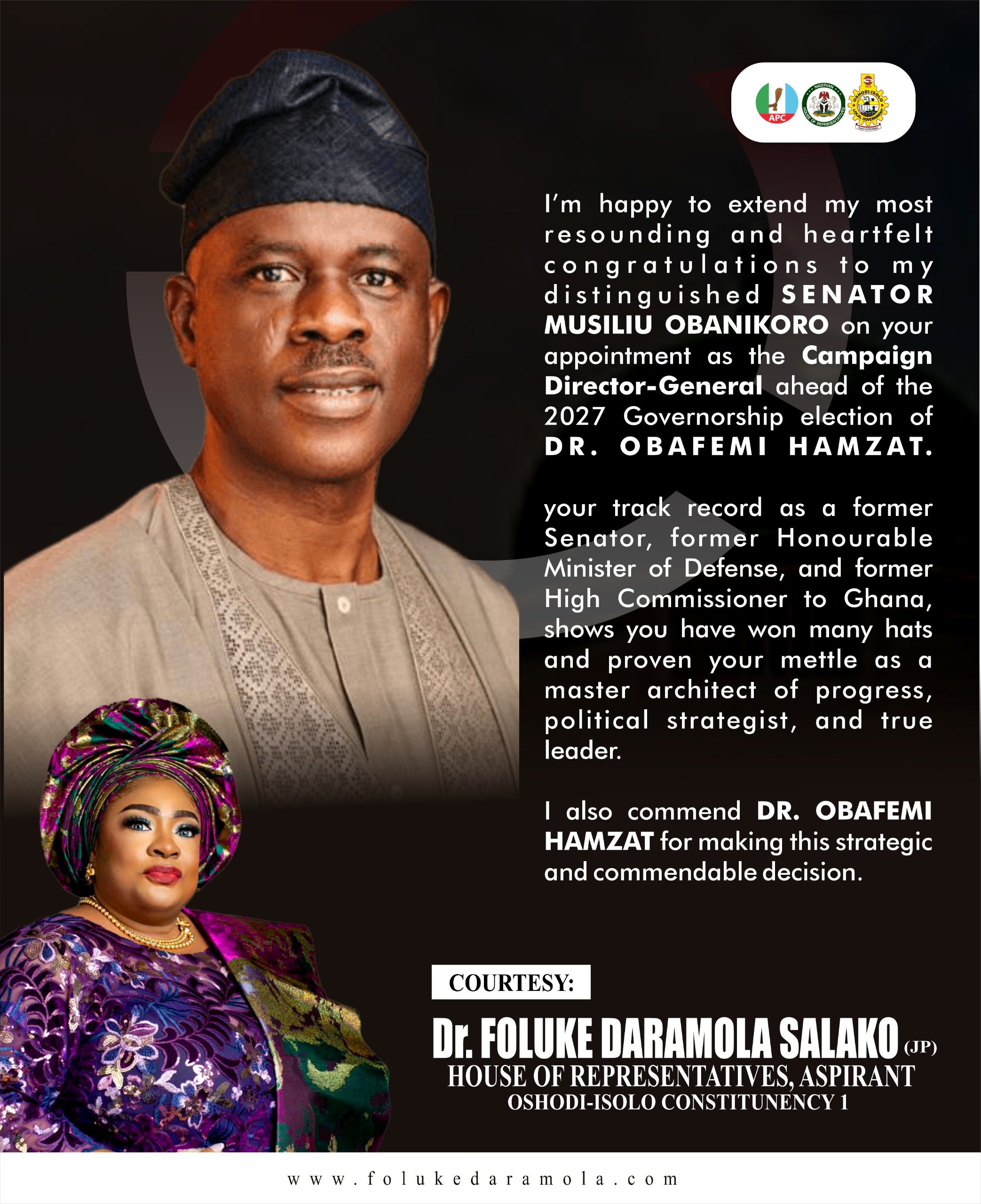
Lagos APC Guber Bid: Foluke Daramola-Salako Celebrates MO’s Emergence as Campaign DG
Oluwatobi Yeye-Irojah: The Filmmaker, Media Entrepreneur and Visionary Behind Phursuns World
Steadfast and Unwavering: Two Decades and Nine Years with Asiwaju
Beyond Headlines: Foluke Daramola Highlights The Human Impact Of Insecurity In Nigeria
“IT WAS A MESSAGE OF APPRECIATION, NOT OF VICTORY DECLARATION, OR CELEBRATION

Who Is Hon. Olukayode Salako? A Look at His Life, Leadership and Public Service
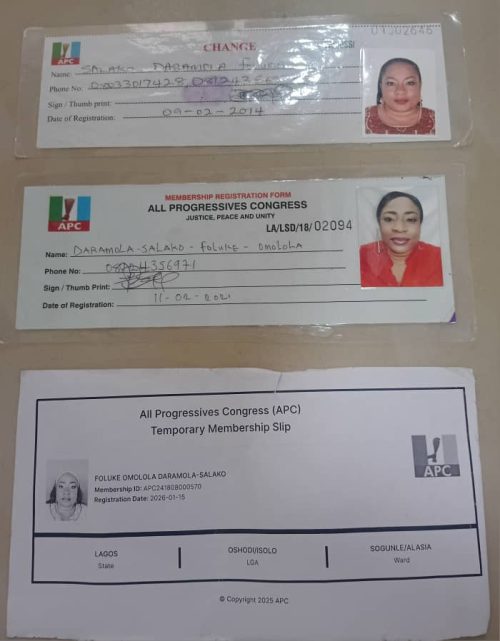
To Those Who Have Been Asking Whether Foluke Is From Oshodi? — Yes, Maritally and Politically!

HoR Primaries: Hon. Foluke Daramola-Salako Extends Appreciation to Sen. Remi Tinubu, National, State, and Oshodi-Isolo Party Leaders
APC GOVERNORSHIP CANDIDATE: Foluke Daramola-Salako Congratulates Dr. Hamzat
Foluke Daramola-Salako Felicitates PBAT on His Emergence as APC Presidential Candidate for the 2027 Presidential Election
Clarification on Appreciation Message to First Lady, Party Leaders, Residents, and HoR Aspirants in Oshodi APC Primaries — Hon. Foluke Daramola-Salako

20 Things Many People Don’t Know About Foluke Daramola

Foluke Daramola Inspires Students at Ikeja High School Career Day

Beyond Nollywood — Why Major Blogs and Newspapers cannot stop Talking about Foluke Daramola in 2026
The Nigerian Woman and the Need for Greater Inclusion in Politics

How Foluke Daramola Is Using PARA Africa to Fight Abuse in Nigeria

FOLUKE DARAMOLA-SALAKO: A New Era of Competence and Action for Oshodi-Isolo Constituency 1
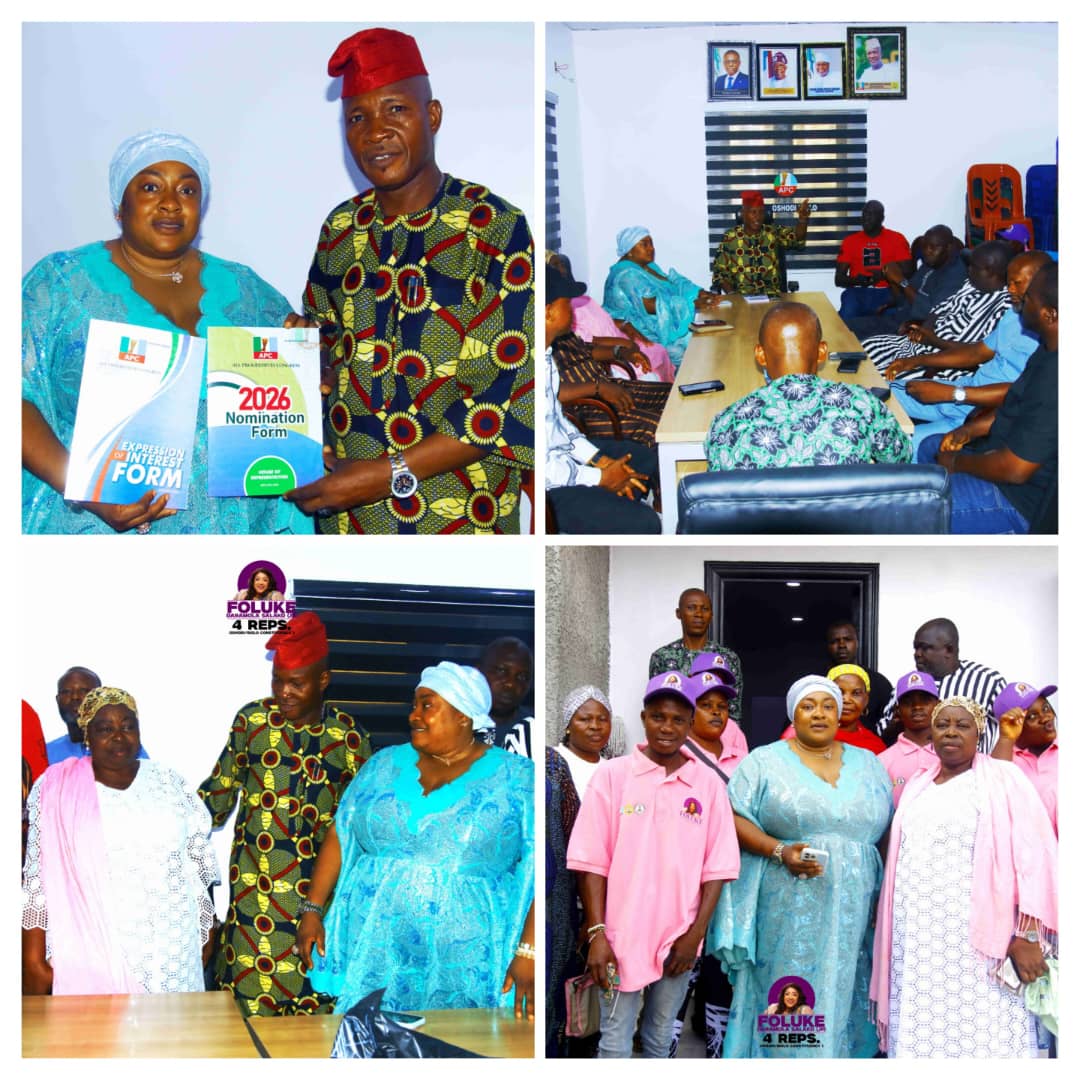
Daramola-Salako Presents Expression of Interest and Nomination Forms, Pledges Transformative Grassroots Development
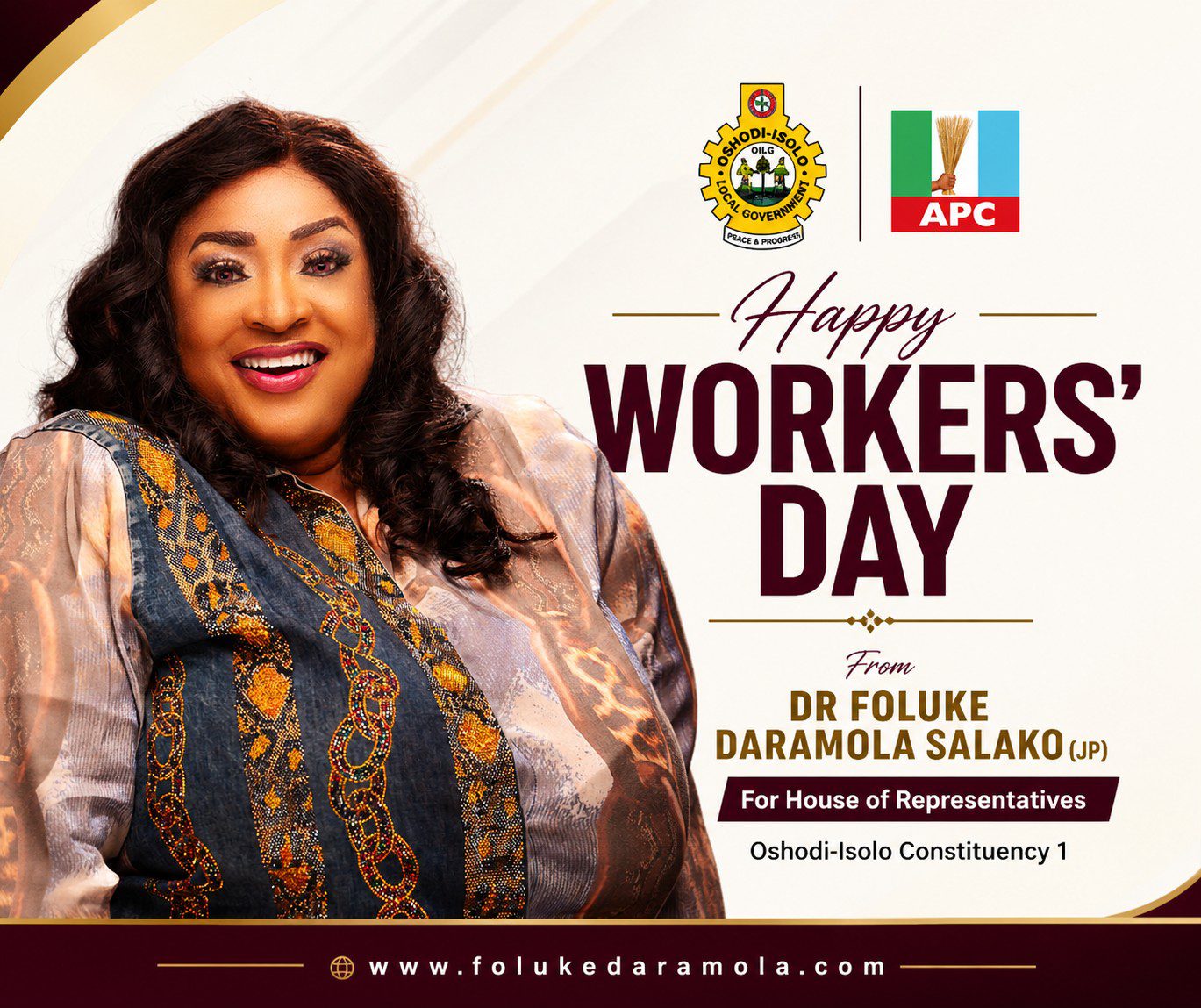
Hon. Foluke Daramola-Salako Celebrates Nigerian Workers on Workers’ Day
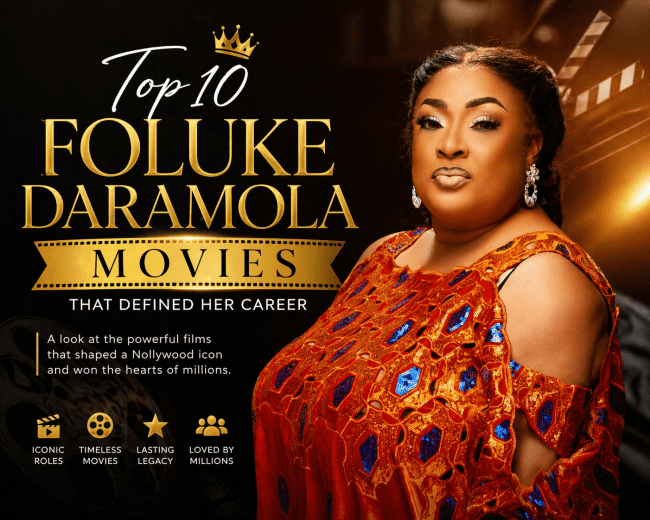
Top 10 Foluke Daramola Movies That Shaped Her Career

7 Nollywood Actors Who Have Worked Closely with Foluke Daramola
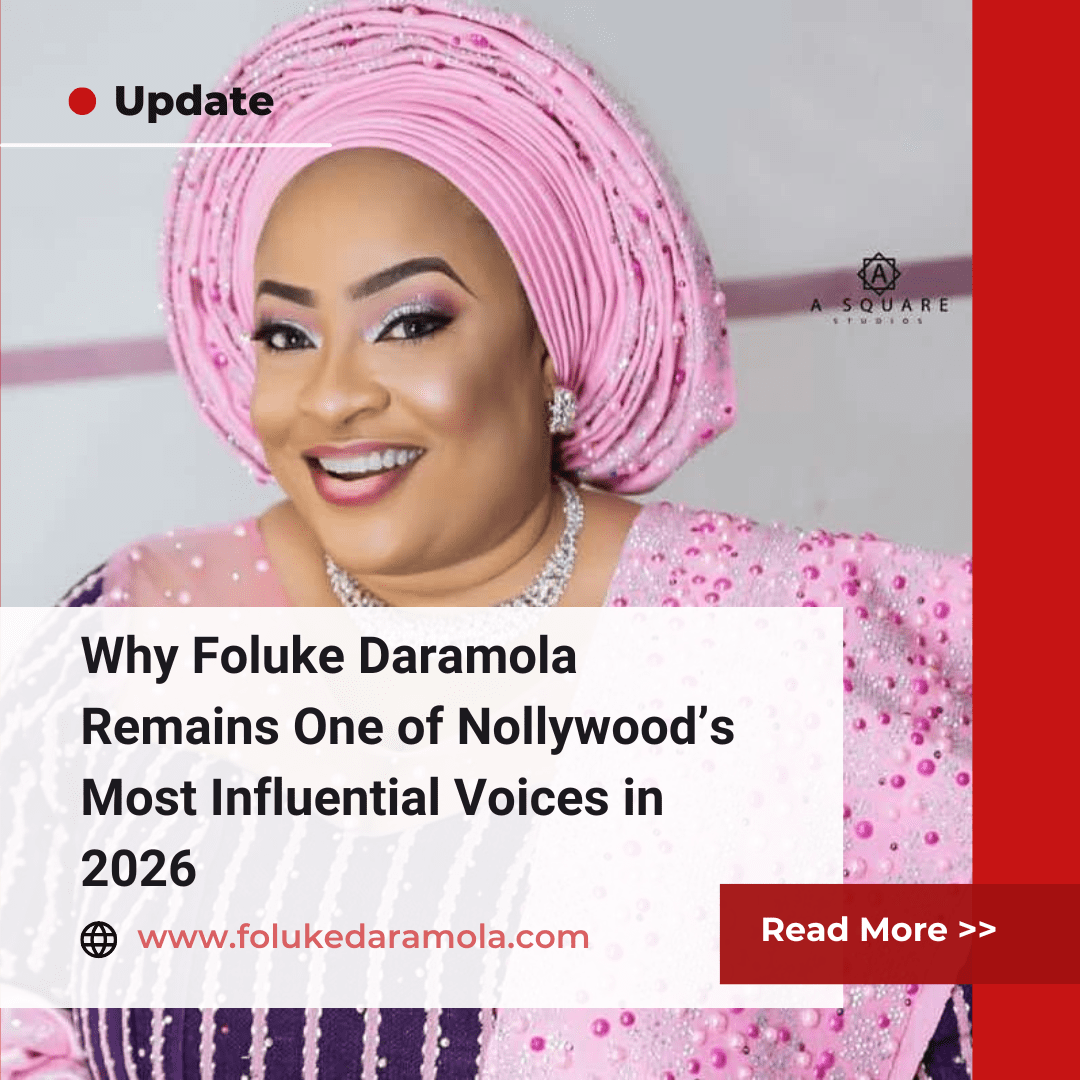
Why Foluke Daramola Remains One of Nollywood’s Most Influential Voices in 2026
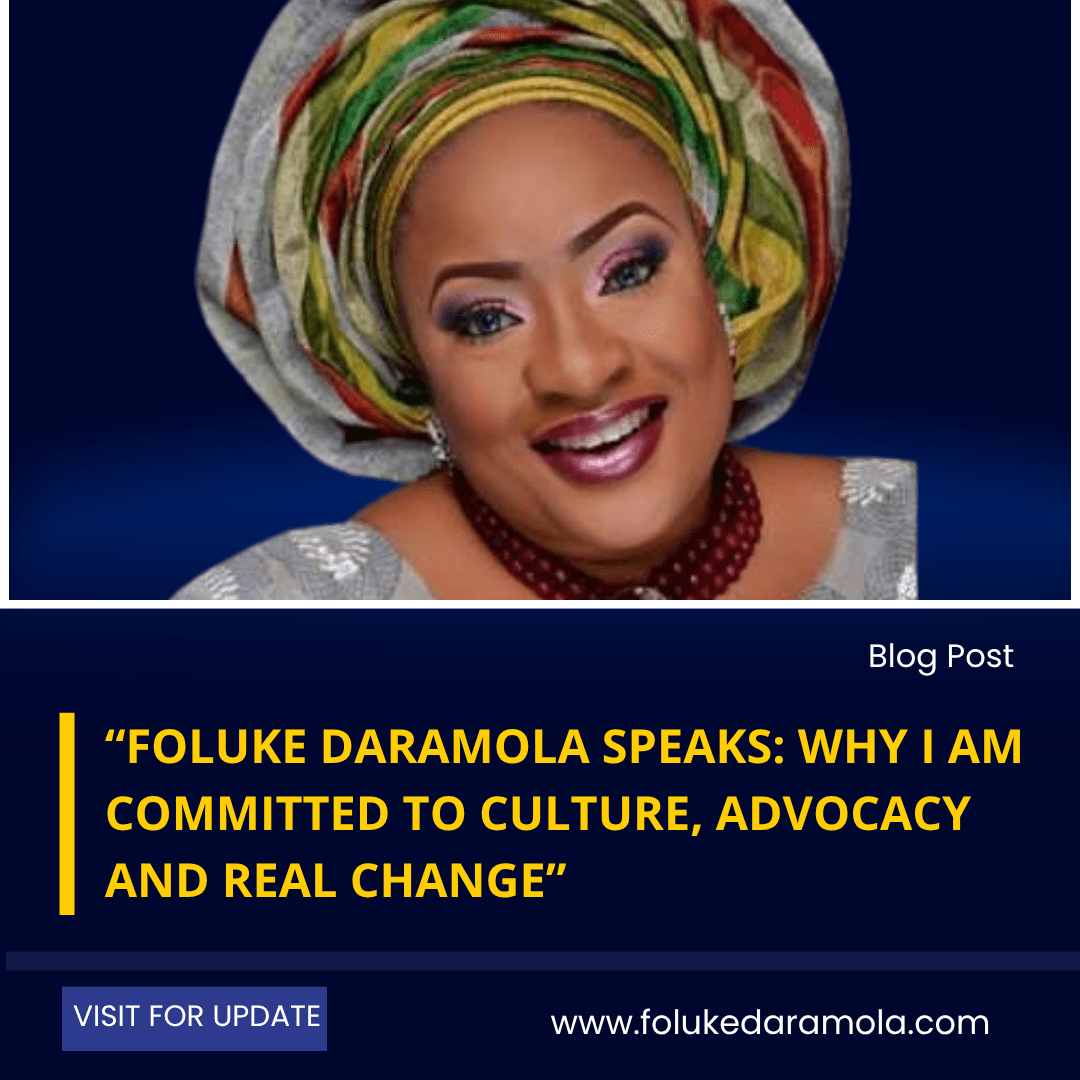
“Foluke Daramola Speaks: Why I Am Committed to Culture, Advocacy and Real Change”
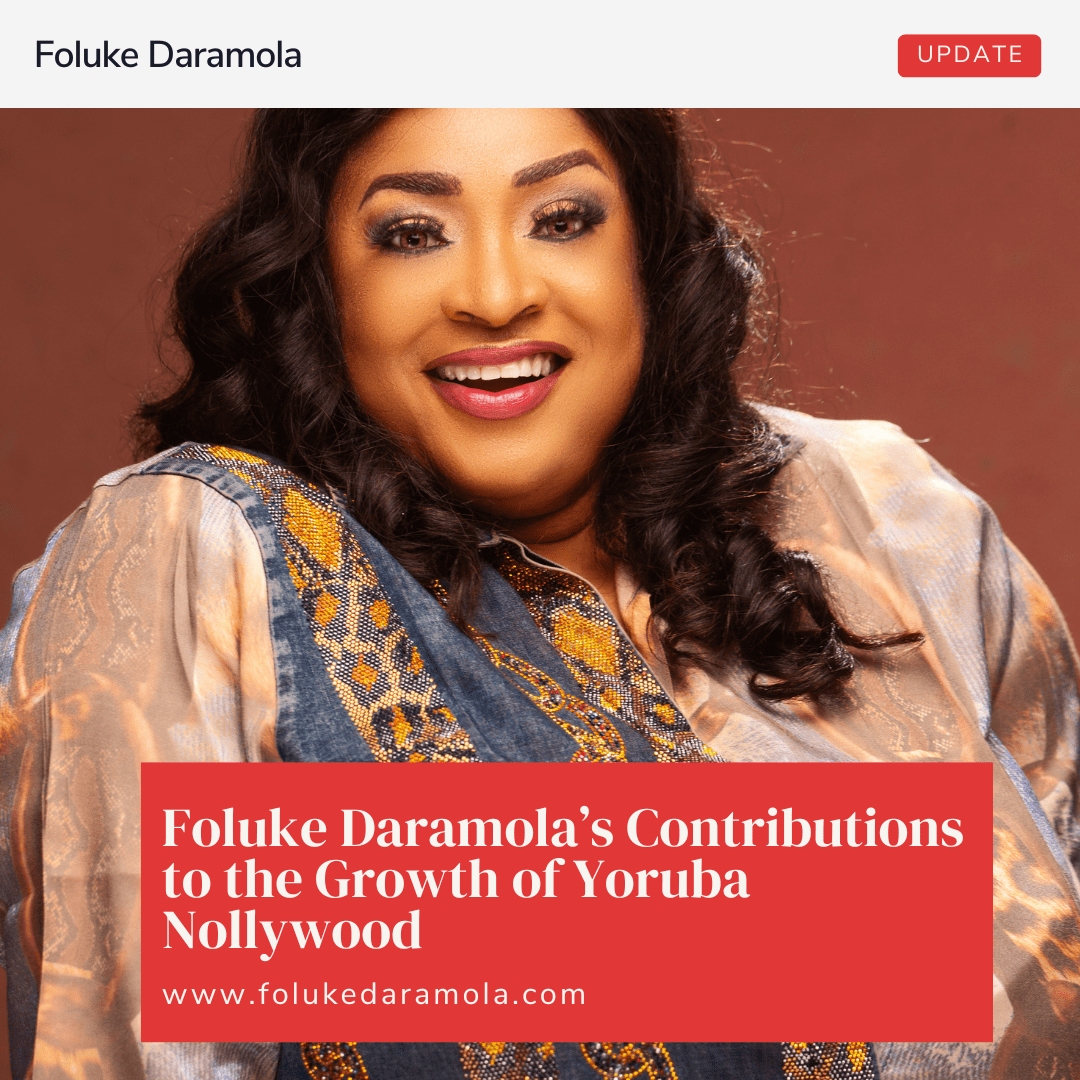
Foluke Daramola’s Contributions to the Growth of Yoruba Nollywood
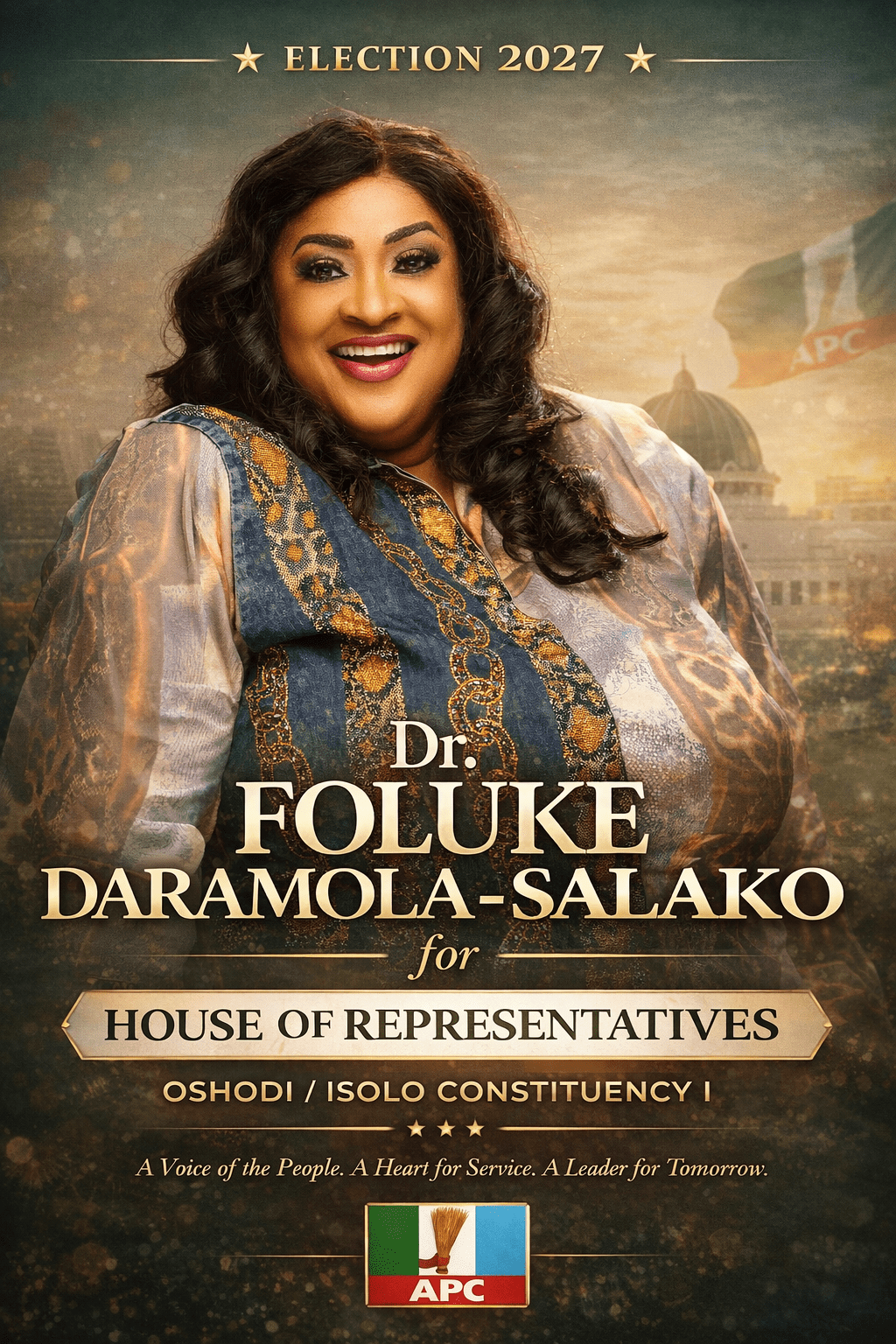
Dr. Foluke Daramola-Salako: A Voice of the People. A Heart for Service. A Leader for Tomorrow
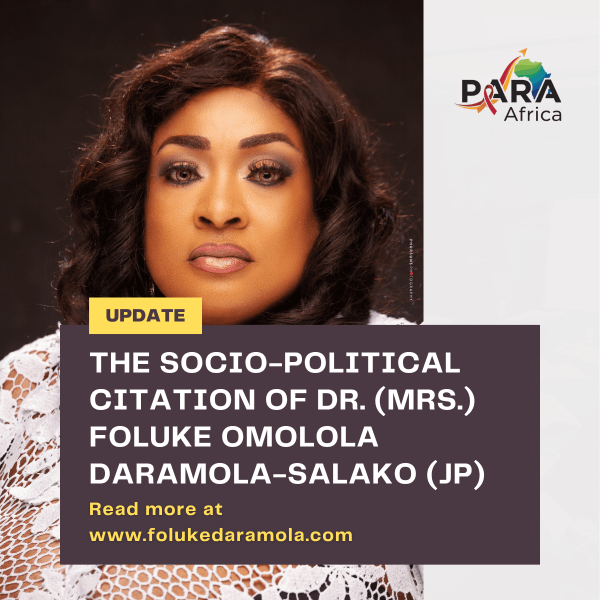
The Socio-Political Citation of Dr. (Mrs) Foluke Daramola Salako (JP)
Foluke Daramola: A Complete Journey Through Her Life, Career, Impact, and Advocacy in Nollywood